


Not sure whether you need panel-level protection? Read do I need a whole-home surge protector for a decision guide before you schedule installation.
What a Whole-House Surge Protector Does
Chicago homes depend on steady 120/240-volt power for heat, refrigeration, communication, and safety systems. A surge protective device limits excess voltage on your home’s electrical system. Surges can come from utility switching, lightning strikes nearby, downed lines, or large loads starting and stopping inside the home. Without panel-level protection, repeated small surges can shorten the life of TVs, computers, smart thermostats, and appliance control boards. A whole-home SPD does not replace point-of-use strips at desks and entertainment centers, but it reduces how much surge energy reaches those devices in the first place.
On site, our electricians install the SPD at the service panel or meter equipment, depending on the device type and your existing setup. We confirm grounding and bonding, follow manufacturer torque and wiring specs, and test that the unit is properly connected before we close the panel. In many Chicago homes, work inside the panel or at the service entrance requires a permit and inspection. We pull permits when the scope requires it and leave documentation you can share with your insurer or home warranty provider.
Type 1 vs Type 2 Surge Protectors at the Panel
Understanding device location helps you choose the right protection for your home.
Type 1 SPD
Type 1 devices are installed on the line side of the main disconnect, often at the meter socket, service mast, or utility disconnect. They are designed to handle larger external surges, including lightning-related events on the utility feed. Type 1 installation often involves coordination with the utility and may require more planning for meter can access and service clearances.
Type 2 SPD
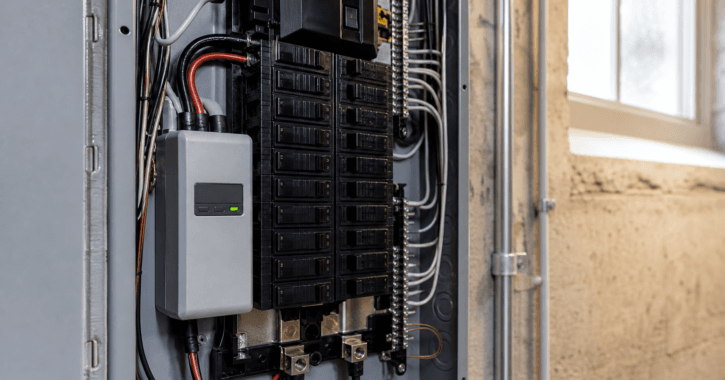
Type 2 devices mount inside or on the main panel on the load side of the main breaker. They are the most common whole-house option for Chicago retrofits because they integrate cleanly with existing residential panels. We check breaker spaces, neutral bar capacity, and labeling so the SPD meets code and manufacturer requirements.
Many homes benefit from Type 2 at the panel. Homes with frequent storm exposure, long overhead service drops, or sensitive equipment may also discuss Type 1 options during the site visit. If you are unsure whether your situation calls for panel-level protection only, read our guide on whether you need a whole-home surge protector.
When Chicago Homes Need Whole-House Surge Protection
Surge protection is worth serious consideration when any of the following apply:
EV charging. Level 2 chargers add sustained load and electronics that can be affected by voltage fluctuations. If you are adding or already run an EV charger, panel-level protection helps guard the charger and connected circuits. See our EV charging station installation service for charger and panel coordination.
Generator or transfer switch. Backup power systems connect your home to two energy sources. A properly installed SPD works alongside transfer equipment to reduce surge risk when utility power returns. Learn more about emergency power systems and how we integrate protection.
High-value electronics and smart home gear. Home offices, servers, AV racks, and automation hubs are costly to replace. Whole-home protection plus selective point-of-use devices gives layered defense.
Older or crowded panels. Before we mount an SPD, we inspect the electrical panel for available spaces, correct grounding, double-tapped neutrals, and signs of overheating. A weak panel should be corrected before or during SPD installation.
Chicago Installation, Permits, and Panel Capacity
Chicago and many surrounding municipalities require licensed electrical work for panel modifications. STS Electric holds the credentials to perform this work legally and safely. When a permit is required, we submit the application, schedule inspection, and correct any inspector notes before we consider the job complete.
Panel capacity matters. An SPD typically uses two breaker spaces or a dedicated connection per the device instructions. If your panel is full, we may recommend a subpanel, a panel upgrade, or an electrical service upgrade so you have safe room for protection and future circuits. We do not force a device into an overcrowded panel. We document what we find and give you clear options.
In Chicago buildings, exposed work often runs in conduit. Even when the SPD mounts inside the panel, related service work may require rigid or EMT conduit per local practice. Our crews arrive with the materials needed for a clean, code-compliant install typical of city work.
What to Expect When STS Electric Installs Your SPD
Every job starts with a brief assessment of your service size, panel brand, and access. We shut off power safely, install the surge protector per listing instructions, and restore power only after connections are verified. We show you the indicator lights or display (if equipped) and explain what it means when the module needs replacement.
If we find urgent safety issues such as scorched bus bars, missing covers, or improper bonding, we flag them before we leave. Minor follow-up repairs can often be handled through our electrical repair service. You receive a clear summary of what was installed, permit numbers when applicable, and maintenance notes.
How Long Surge Protectors Last
Whole-house SPDs are sacrificial devices. They absorb or divert surge energy until their internal components degrade. Many units include an LED or display that shows protection status. After a major surge event, replacement may be needed even if the home still has power.
Manufacturers publish service life guidelines, but real-world wear depends on how often surges hit your service. We recommend checking status indicators during annual panel reviews and after known storm outages. Replacement is usually straightforward if breaker spaces and model availability stay the same.
Home insurance may ask whether you have panel-level protection after equipment losses. Keep your install receipt, permit number when applicable, and a photo of the device label for your records. We can note SPD installation on repair invoices so future electricians see that protection is already in place.
Layered Protection for Chicago Homes
The best surge strategy uses more than one line of defense. Whole-house units handle service entrance events. Dedicated strips protect home offices and home theater gear where replacement cost is high. Hardwired loads such as furnaces and refrigerators benefit from panel protection because you cannot plug them into a strip at all.
During installation we also look at phone, cable, and data lines that enter near the electrical service. Some SPD systems offer optional low-voltage modules for coax and Ethernet. If you use network-attached storage or a monitored alarm, ask about coordinated protection during the site visit.
Schedule Whole-House Surge Protector Installation in Chicago
Protecting your panel is one of the most cost-effective ways to guard everything downstream. STS Electric serves homeowners and small landlords across Chicago from our office at 939 W North Ave #746, Chicago, IL 60642. Call (773) 721-1111 to schedule an assessment or request a quote for whole-house surge protector installation. We answer 24/7 for urgent electrical concerns and book standard installs at a time that works for your household.




