


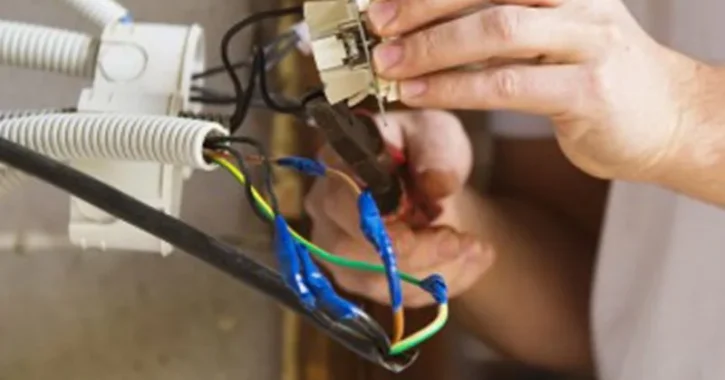
A warm outlet or burning smell from a wall receptacle is never normal. Outlets should feel cool at the cover plate when devices are plugged in. Heat, discoloration, or a sharp odor means something is wrong inside the box: loose wires, failing device, overloaded circuit, or moisture intrusion. Acting quickly reduces fire risk.
This guide is for Chicago homeowners and renters who notice symptoms before a full failure. It explains likely causes, what to do immediately, and why DIY fixes on live circuits are unsafe. For active hazards, use our 24×7 emergency electrical service. For non-emergency diagnosis and repair, see electrical repair service.
What Causes a Warm Outlet
Electricity flowing through resistance creates heat. Normal connections have very low resistance. Loose terminal screws, back-stab connections that were never clamped properly, or aluminum wire on the wrong device increase resistance at the outlet.
Overloading a circuit also warms devices. Space heaters, hair dryers, and multiple kitchen appliances on one branch are common culprits in older Chicago homes. A warm plate on one outlet while others on the same circuit feel fine may mean that specific device or its splice is failing.
Damaged cords plugged into the outlet can mimic a bad receptacle. Unplug everything and wait several minutes. If the plate stays warm with nothing plugged in, the fault is likely in the box or wiring upstream.
Burning Smell: Treat It as an Emergency Signal
A burning smell from an outlet often means insulation is overheating. You might notice a fishy or sharp plastic odor before you see smoke. Dark marks around the slots, melted plastic on plugs, or a outlet that will not hold a cord firmly are visual clues.
Shut off the breaker that feeds that circuit if you can identify it safely at the panel. Do not use the outlet again until it is inspected. If smell persists after shutoff, other circuits may be involved. Call for help rather than guessing.
Never open the outlet cover while the circuit might still be live. Voltage testing and proper repair belong to licensed electricians. Repeatedly resetting a tripping breaker to restore power into a fault can start a fire inside the wall.
When the Problem May Be the Panel, Not the Outlet
Sometimes every outlet on a circuit runs warm because the breaker connection at the panel is failing. Buzzing, crackling, or heat at the panel with warm outlets downstream are linked symptoms. Read our guide on buzzing electrical panel warning signs if panel noise accompanies outlet heat.
Shared neutral issues in multi-wire circuits and loose connections in a basement junction box can also distribute heat to several rooms. That is why pros trace the whole branch, not just swap one device.
Outlets Near Water and GFCI Protection
Kitchen, bathroom, garage, and exterior outlets must have appropriate protection. Ground fault circuit interrupters trip when current leaks to ground, which can prevent shock but also mask failing wiring if someone keeps resetting without investigation.
Moisture near an outlet accelerates corrosion on terminals. If a warm outlet is within six feet of a sink, tub, or wet bar, review location rules on outlets near water sources. GFCI replacement alone does not fix a burned back-stab or undersized wire.
Common Chicago Housing Scenarios
Two-flats and bungalows often have original bedrooms wired with few circuits. Tenants running space heaters in winter overload 15 amp branches. Pre-war buildings may have cloth-insulated wiring landed on modern devices without proper pigtailing.
DIY outlet swaps that leave loose neutrals cause warm plates weeks later. Landlords should respond to tenant heat reports within hours, not at the next lease turnover.
Step-by-Step: Make Safe Before Repair
First, unplug all devices from the warm outlet. Second, shut off the circuit breaker if labeled correctly. Third, if smell or smoke continues, shut the main breaker if you can do so safely without touching damaged equipment. Fourth, keep the area clear and call a licensed electrician.
Do not use the outlet by plugging into the other socket. Do not install a higher amp breaker. Do not cut power by pulling the meter. Do not open the panel cover unless you are trained and equipped for live panel work, which homeowners are not.
Fire department handles active fire. Electricians handle energized equipment assessment after the scene is safe.
What Repair Usually Involves
Licensed repair often includes replacing the receptacle with a listed device, correcting wire terminations, adding copper pigtails where aluminum branch wiring requires them, and verifying breaker size matches wire gauge. If the box is damaged, brittle, or overcrowded, box replacement or circuit splitting may be needed.
We test downstream outlets on the same branch because one loose connection often repeats at the next box. After repair, we verify proper polarity, grounding, and GFCI or AFCI function where required by code.
Prevention After Repair
Avoid permanent use of extension cords for heaters and window AC units. Spread high-load appliances across circuits. Replace loose or worn outlets before they heat up. Schedule periodic inspection if your home has aluminum branch wiring or mixed-era renovations.
Photograph discoloration before unplugging devices if it is safe to do so. Insurers and electricians both benefit from timestamps when a plate scorched over hours rather than years. Do not touch charred plastic with bare hands.
Power strips and cube taps hide outlet stress. A warm plate sometimes traces back to an overloaded strip daisy chained into a bedroom circuit never sized for six devices. Spread loads before assuming the wall device is the only fault.
Renters with landlord delays should document written notice. Chicago habitability rules expect prompt response to fire-related electrical symptoms. When in doubt after hours, use emergency service rather than sleeping with a burning odor.
FAQ: Warm Outlets and Burning Smells
Can a warm outlet fix itself?
No. Heat means abnormal resistance or load. The fault will worsen until something fails or burns.
Is it safe to shut off just one breaker?
Yes when the panel is accessible and labeled. Verify the outlet is dead before anyone touches the cover plate screws.
Should renters call the landlord or an electrician?
Report to the landlord immediately for active smell or heat. Landlords should dispatch a licensed electrician the same day.
Does a tripping breaker mean the outlet is safe?
Not necessarily. A breaker may fail to trip while connections overheat. Do not assume protection just because the breaker stayed on.
When is this a 24/7 emergency?
Visible smoke, strong burning smell, sparking, or heat after shutoff attempts requires immediate help. Call (773) 721-1111.
Get Help From STS Electric
Warm outlets and burning smells are repair calls, not weekend DIY projects. STS Electric provides licensed diagnosis and repair across Chicago from 939 W North Ave #746. For emergencies, call (773) 721-1111. For scheduled repair, request service through our electrical repair team.




