


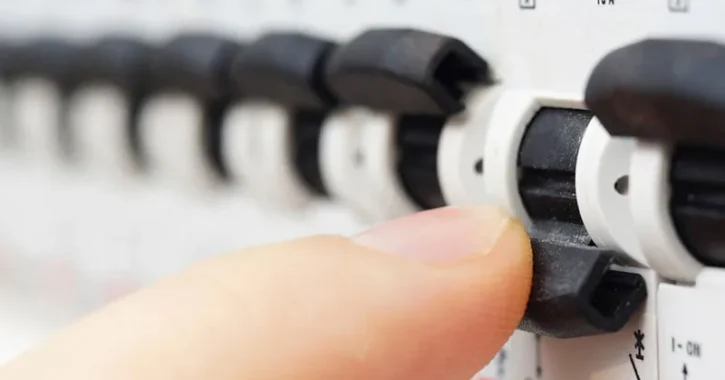
Remodels, EV chargers, heat pumps, and finished basements push older electrical services past their limits. A service upgrade increases the amperage available from the utility into your home, often from 60 or 100 amps to 200 amps, so new circuits do not overload the existing feed. This is different from a panel swap alone; both may be required. For panel safety brands and warning signs, see our electrical panel safety and upgrades guide.
Service Upgrade vs. Panel Replacement
Service upgrade changes how much power ComEd (or your utility) delivers to the meter and main disconnect. That typically means larger conductors, a new meter fit, and a higher-rated main.
Panel replacement updates the distribution equipment inside the home: breakers, bus, labeling, and protection. You can replace a dangerous panel without upsizing service, or upsize service and still need a panel that is unsafe to keep.
Many Chicago bungalows and two-flats need both: aging fuse or Federal Pacific equipment plus an undersized 60/100-amp service that cannot support modern kitchens and cooling.
When Renovations Force a Service Upgrade
Plan a service evaluation if you are:
- Adding a kitchen, bathroom, or garage with new circuits
- Installing central air, electric range, tankless water heater, or EV charging
- Finishing a basement with outlets and laundry
- Replacing fuse panels or dealing with frequent breaker trips during normal use
Adding receptacles on existing loops does not create more capacity. New high-load rooms need dedicated feeds from a panel that itself has enough service amperage upstream.
Why 200-Amp Service Is the Common Target
Thirty years ago, many Chicago homes ran on 60-amp fuse services. Later stock moved to 100-amp breaker panels. Today, 200-amp service is the practical baseline for a renovated single-family home with AC, appliances, and future EV or generator loads.
Not every property needs 200 amps tomorrow, but undersized service shows up as dimming lights, nuisance trips, and renovations that fail inspection when load calculations exceed the existing rating. A whole-home electrical safety inspection documents panel, grounding, and wiring issues before you size the upgrade. Overloaded circuits are often a symptom; see our overloaded circuit warning signs.
Fuse Panels and Insurance Risk
Screw-in fuse panels create heat at oxidized contacts and lack modern AFCI/GFCI protection options. Many insurers ask about fuse equipment at renewal. Upgrading service is a natural time to retire fuse gear and install a code-aligned breaker panel with clear labeling.
What the Upgrade Process Looks Like in Chicago
A typical path includes load calculation for the remodeled home, panel and meter location review, permit applications, utility coordination for meter and service changes, installation of new service conductors and equipment, and inspection before final energizing.
Timeline depends on utility scheduling and whether the meter is outdoor, in a gangway, or in a shared two-flat setup. STS Electric handles the electrical scope and coordinates the pieces homeowners cannot self-schedule.
Generators, EV Charging, and Surge Protection Need Headroom
Standby generators and Level 2 EV chargers are major continuous loads. They often tip a 100-amp service into upgrade territory even if the panel looks fine. Pair service planning with backup design when storms and outages are part of your risk profile. See our emergency power systems guide.
After a service or panel upgrade is also the right time to add panel-level protection. A whole-house surge protector installation mounts at the service equipment so new circuits and electronics are not left exposed to utility and storm spikes.
Schedule a Service Upgrade Assessment
If your remodel is on the calendar, or breakers already trip under everyday loads, get a licensed evaluation before drywall closes. STS Electric serves Chicago and Cook County at (773) 721-1111 for permitted service upgrades that match how you actually use the home.
When your upgrade includes entrance equipment, see our guide to electrical meter and service equipment upgrades. For panel-level protection after an amp upgrade, review whole-house surge protector installation.




