


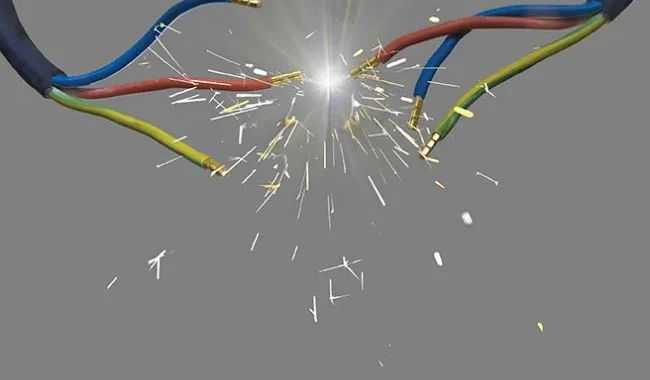
Commercial and industrial buildings put more stress on electrical systems than a typical home. Shared panels, long runs, motors, refrigeration, and after-hours loads all wear connections and breakers. Routine electrical maintenance is how Chicago offices, warehouses, restaurants, and light plants stay open without surprise outages or fire risk. For broader building-safety context, see our electrical services and building safety overview.
Why Maintenance Beats Emergency Repair Alone
Waiting until power fails usually costs more than scheduled checks. Loose lugs, overloaded branches, and failed GFCI or AFCI devices escalate into downtime, product loss, and code violations. A simple quarterly or annual walkthrough of panels, high-draw equipment, and wet locations finds heat and odor problems while they are still small.
Facilities managers should log breaker trips, tenant complaints, and any warm switch or receptacle face. Patterns by floor or suite often point to one shared feeder or a remodeled kitchen circuit that was never upgraded. Bring that log to the site visit so the electrician can prioritize the hottest circuits first.
Flickering and Dimming Lights
Flicker across a whole bay or floor often means a loose connection, overloaded transformer or feeder, or a shared neutral problem. Single fixture flicker can be a bad ballast, LED driver, or lamp. Either way, treat widespread dimming when compressors or welders start as a maintenance flag, not a quirk.
Residential flicker symptoms and owner-level steps are covered in our flickering lights guide. Commercial sites need metering and torque checks on terminations that homeowners never touch.
Hot Fixtures, Sparks, and Odors
Warm outlet plates, discoloration around receptacles, and sparks when plugging in equipment signal resistance and arcing. Shut down the affected circuit if safe, keep staff clear, and call a licensed electrician. Melting insulation and trip sequences that return under light load are fire precursors.
Do not keep resetting breakers until the smell goes away. Document which machine was running when the trip occurred so diagnosis is faster.
Tripping Breakers and Heavy Appliances
Warehouses and production floors often overload legacy circuits after adding equipment. Motors and compressors pull high inrush current. If a breaker trips repeatedly with the same machine online, stop using that circuit and have load, wire size, and breaker rating reviewed together.
Swapping to a larger breaker without matching wire size is unsafe. Solutions and warning signs for overload conditions: overloaded circuits.
Restaurants and retail back rooms see seasonal equipment swaps that land three machines on one branch overnight. Re-check load after tenant improvements, booth builds, and kitchen expansions before the first busy day.
What a Building Electrical Check Should Include
Clear panel fronts and labels for each branch. Inspect for corrosion, water stains, rodent damage, and storage blocking access. Confirm GFCI and AFCI devices where required. Review exit and exterior lighting, emergency backup paths, and any temporary cords used as permanent wiring.
Photograph nameplates on large appliances and note amp ratings next to the breaker schedule. That simple inventory speeds future service calls and helps prove whether a new load fits the existing panel.
For ongoing equipment-focused habits at home or light commercial sites, pair this page with our preventive electrical maintenance guide. Buildings with kitchens and wet areas also need outlet and GFCI audits after remodels.
Safety Habits for Occupied Sites
Use accredited electrical contractors for panel work and new circuits. Keep floors clear of extension cords that create trip and overload hazards. Assign who owns lockout/tagout for electrical repairs. Schedule periodic inspections instead of waiting for ComEd outages or smell complaints.
Staff should report tingling metal frames, buzzing panels, and intermittent power to one contact person. Fast reporting shortens diagnosis and reduces DIY resets that mask faults.
When Chicago Properties Call STS Electric
STS Electric inspects and repairs commercial and light-industrial electrical systems across Chicago and nearby suburbs. Call (773) 721-1111 for recurring trips, hot fixtures, post-storm damage, or for scheduled maintenance on panels and high-draw equipment. After-hours failures: 24/7 emergency electrical repair.




