


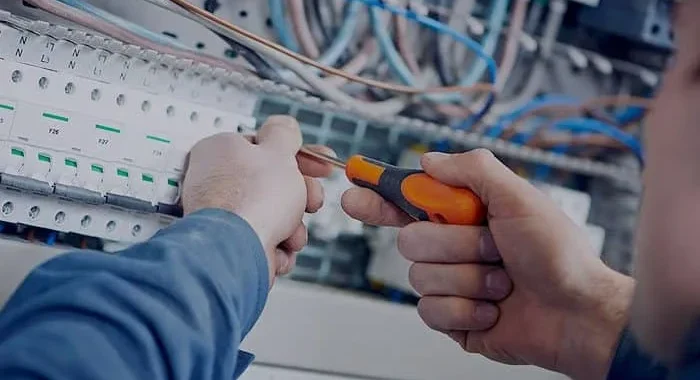
Safety first in electrical work means controlling energy before tools touch conductors, using listed methods, and knowing when a job exceeds DIY limits. For Chicago homeowners and small commercial tenants, that mindset prevents shock, arc flash, and fire far better than rushing a repair.
This spoke covers practical rules for homeowners and the professional habits STS Electric follows on site. For the wider topic map, start at the electrical safety. Room-by-room habits live on electrical safety at home.
Power Control Before Any Work
Identify the correct breaker, shut it off, and verify the circuit is dead with a tester you trust. Lockout or tag the breaker if others are in the home so nobody restores power while a cover is off. Working hot is not a homeowner technique.
Main disconnects and meter equipment belong to utility and licensed scopes. Do not pull meters or remove service covers to “kill power faster.” If you cannot confirm dead, stop and call a licensed electrician.
Basement and garage panels in older Chicago homes are often blocked by storage. Keep a clear working space in front of the cover so you can shut power off quickly in an emergency and so technicians can work without moving furniture under stress.
PPE and Tools That Match the Task
Insulated tools, dry footwear, and eye protection matter even on small device swaps. Avoid jewelry that can bridge terminals. Use a non-contact tester only as a first screen; confirm with a meter when the work is critical.
Professionals add arc-rated PPE and approach boundaries when fault energy is high. That is why panel diagnostics and service work are not weekend projects for untrained hands.
Wet floors, aluminum ladders near overhead work, and damaged extension cords turn small tasks into shock events. Move the work to a dry area or reschedule rather than improvising.
Homeowner Limits vs Licensed Work
Reasonable DIY after power is verified dead can include replacing a like-for-like switch or receptacle cover, resetting a clearly labeled breaker once, and keeping storage clear of the panel. Opening a live panel, adding circuits, or altering service gear is licensed work.
Cheater plugs, cut ground pins, and oversized breakers on thin wire are common “shortcuts” that raise shock and fire risk. Adapter risks are covered on three-prong adapter safety. Chronic trips need diagnosis, not a bigger breaker sticker.
If a remodel needs new kitchen or laundry circuits, plan permits and load calculations before cabinets close. Hidden splices and borrowed neutrals are frequent safety failures we uncover later.
Panel, Connection, and Fire Warning Signs
Stop and call for help if you smell burning plastic, see scorched outlets, feel hot cover plates, or hear arcing. Those signs often point to loose connections or overloaded branches, not a bulb change.
Map connection failures on the wire connection issues hub. Fire-prevention steps for Chicago housing stock are on electrical fire prevention.
Repeated breaker trips with almost no load can mean a failing breaker or a ground fault. Treat heat at the breaker body as a stop-use signal until a licensed electrician inspects it.
Jobsite Habits Pros Use on Every Call
We stage COI and access paperwork for condo and commercial sites, keep work areas dry, and protect finishes when opening walls. Temporary cords are listed and routed so they are not pinch or trip hazards.
After repairs we re-energize in controlled steps, test GFCI/AFCI where installed, and leave labels so the next person knows what changed. Documentation matters for buyers, boards, and inspectors.
Crew communication matters too: one person verifies lockout, another confirms the circuit map, and nobody assumes a wire is dead because “it should be off.”
Emergencies: Make Safe, Then Repair
For sparks, flooding near panels, or a breaker that will not stay reset, get people clear and shut off power if you can do so safely. Then call for emergency service rather than repeatedly resetting into a fault.
STS Electric prioritizes life-safety calls across Chicago and Cook County. Use 24×7 emergency electrical service when the hazard is active.
Storms and freeze events raise call volume when temporary heaters overload circuits or water reaches equipment. Do not run space heaters on light-duty cords as a long-term plan.
Chicago Code and Permit Reality
City of Chicago and suburban jurisdictions expect permits for many permanent wiring changes. Safety first includes inspection-ready work, not hidden splices behind drywall. DIY failures we correct often started as unpermitted “quick fixes.”
When capacity is tight, load calculations beat guesswork. Adding EV charging, kitchens, or basement finishes without a plan recreates the same hazards this article warns against.
How STS Electric Puts Safety First
We verify dead before we dig in, use listed connectors and torque specs, and explain risks in plain language. Residential and light commercial scopes stay clear about what is temporary versus permanent.
Schedule through licensed residential electrician services or call (773) 721-1111 from 939 W North Ave #746.
FAQ: Electrical Work Safety
Should I always turn off the main breaker for a single outlet?
Not always. Shut off the branch breaker that feeds the outlet, then verify dead. Use the main when you cannot identify the branch or when panel work requires it under professional control.
Is a non-contact tester enough?
It is a useful first check. Confirm with a meter before you touch conductors, and treat unknown wiring as live until proven otherwise.
Can I tighten a loose outlet screw myself?
Only with power verified dead at the breaker. If the device or insulation is burned, replace the device and investigate the cause rather than snugging a damaged terminal.
When is it an emergency?
Burning smell, visible arcing, water in the panel, or repeated trips with heat are emergencies. Make safe and call; do not keep resetting.
Do renters need landlord approval?
Yes for most permanent changes. Report hazards immediately and avoid DIY panel work in rental units.




