


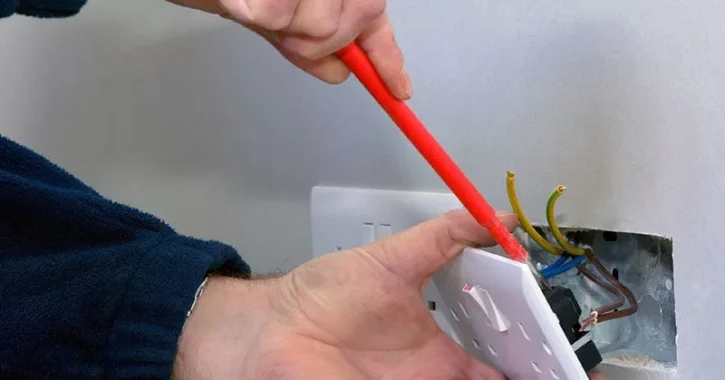
Electricity runs behind walls, in panels, and through every outlet you use daily. Most shocks, burns, and electrical fires start from small problems that were ignored: a warm receptacle, a frayed cord, a breaker that keeps tripping. This page is a practical electrical safety guide for Chicago homes and small businesses. For a structured risk-control checklist, see controlling electrical risk.
Everyday Habits That Prevent Shock and Fire
Use GFCI protection in kitchens, bathrooms, garages, unfinished basements, and outdoor outlets. Test GFCI buttons monthly. If a device will not trip or reset, replace it and have the circuit checked. Never use damaged cords, taped plugs, or extension cords as permanent wiring.
Match plug load to the circuit. A single 15A kitchen circuit should not feed a microwave, toaster, kettle, and air fryer through one power strip. Unplug small appliances when not in use if cords run near sinks or heat sources.
In older Chicago two-flats and bungalows, shared neutral paths and undersized kitchen circuits are common. If lights dim when the refrigerator starts or the microwave runs, note it for an electrician rather than adding another strip.
Breaker and Panel Basics
A tripping breaker is a warning, not an annoyance to override. Reset once after unplugging loads on that circuit. If it trips again with nothing plugged in, stop using the circuit and call an electrician. Do not install a larger breaker to stop the trip without upgrading the wire.
Keep the panel area clear. Storage against the cover blocks access during an emergency and traps heat. If the panel buzzes, smells like hot plastic, or feels warm, treat it as urgent. Panel safety context: electrical panel safety and upgrades.
Water, Outlets, and Outdoor Circuits
Electricity and water are a lethal mix. Keep cords and plugs away from tubs, sinks, and wet floors. Outdoor outlets need weather-rated covers and GFCI protection. After storms, check for water near outdoor panels, meters, or basement equipment before flipping breakers back on.
If an outlet near a sink ever shocked someone or tingled on contact, stop using it and schedule repair. Wet-location rules and common failures are covered on our outlets near water page.
Warning Signs You Should Not Ignore
Call a licensed electrician if you notice: burning or fishy odors near outlets or the panel, scorch marks on plates, flickering lights across multiple rooms, buzzing switches, outlets that grip plugs loosely, or breakers that trip repeatedly. These point to loose connections, overload, or arcing.
Sparking when you plug in a device, heat at the plug face, or a tingling metal appliance frame means stop using that circuit immediately. Fire-specific causes and fixes: electrical fire prevention.
What Homeowners Can Safely Do
You can test GFCIs, replace broken outlet cover plates, label breakers, unplug damaged cords, and document when problems happen (which room, which appliance, time of day). Use UL-listed power strips sparingly and never daisy-chain them.
Changing a light bulb, resetting a tripped breaker after clearing the load, and replacing a smoke alarm battery are reasonable DIY tasks when power is off and you follow manufacturer instructions. Anything inside the panel, aluminum wiring, three-prong-to-two-prong hacks, or unknown splices in walls needs a pro.
Workplaces and Rental Properties
Owners and managers have a duty to keep tenants and staff safe. That means documented checks of break rooms, shop tools, and shared laundry circuits, plus clear reporting when someone smells burning plastic or sees a warm outlet. Deeper workplace guidance lives on our workplace electrical safety page.
After renovations, new equipment, or a kitchen build-out, re-check circuits before staff plug in espresso machines, heaters, or commercial refrigerators on the same branch.
When to Call STS Electric
STS Electric serves Chicago homes, condos, restaurants, and light commercial sites with inspections, repairs, panel upgrades, and code-correct fixes. Call (773) 721-1111 for warm outlets, repeated trips, post-storm damage, or any shock incident. For licensed residential scope and scheduling, see licensed residential electrician services.




