


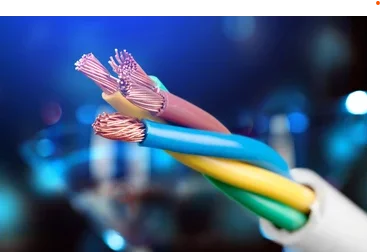
Electrical wiring in a Chicago home is the branch and feeder system that moves power from the panel to lights, receptacles, and appliances. How that wiring was installed changed over decades: knob-and-tube, cloth NM, aluminum branch cable, and modern copper NM-B each leave different risks and repair methods. Knowing what you have decides whether a remodel needs a splice fix, a partial rewire, or a full upgrade.
This guide covers wiring eras and what they mean for safety and renovations. Connection failures (loose screws, double-taps) are mapped on the wire connection issues hub. Gauge and breaker matching live on our right wire primer. Jacket colors for modern NM are on the NM color coding guide.
Why Wiring Era Matters
Insulation ages. Terminations loosen. Remodel crews mix eras in the same box. A kitchen that looks new can still feed from cloth-insulated cable in the joist bay. Inspectors, insurers, and buyers increasingly ask which system is behind the drywall, not only what the outlets look like.
Electrical work is not only devices. Safe branch wiring needs correct ampacity, grounding or bonding path, listed connectors, and a panel that can support the load. Undersized or damaged cable under a modern breaker is a fire setup.
Knob-and-Tube and Early Systems
Knob-and-tube used individual conductors on porcelain knobs and tubes through framing. Many Chicago bungalows and two-flats still hide remnants in attics and walls. It often lacks an equipment grounding conductor. Insulation can be brittle. Insulation blown around it without clearance creates heat traps.
Knob-and-tube is not automatically condemned, but it rarely supports modern kitchen and laundry loads without new home runs. Opening walls for a remodel is the usual time to replace those circuits rather than splicing new devices onto old open wiring.
Cloth NM and Mid-Century Copper
Mid-century homes often used cloth-covered NM or early plastic jackets. Conductors may still be sound copper while the jacket crumbles when moved. Boxes can be undersized for modern device depths and GFCI/AFCI equipment.
For a deeper look at fabric NM in Chicago bungalows and two-flats, read is cloth wiring safe.
When cloth cable is disturbed, cut back to clean insulation and use listed connectors. Do not tape over cracked sheath as a permanent repair. If print is gone, an electrician gauges conductors before choosing breaker size.Aluminum Branch Wiring
Some 1960s-1970s homes used aluminum for branch circuits. Aluminum expands more than copper and needs listed CO/ALR devices or proper pigtails with approved connectors. Mixing copper and aluminum under one screw without a listed method is a classic heat failure.
Symptoms include warm outlets, flicker, and burned wire ends at receptacles. Treat aluminum as a specialized repair, not a casual DIY swap. Panel and lug issues on aluminum feeders need torque and listed hardware as well.
Modern Copper NM-B
Today most indoor branch work uses copper NM-B with a ground. Jacket color coding helps identify gauge at a glance, but printed markings remain the source of truth. 14 AWG on 15A and 12 AWG on 20A are the common residential pairings when terminals and code allow.
Remodeled kitchens, baths, and laundry rooms usually need new 20A circuits, GFCI/AFCI where required, and careful routing through Chicago balloon framing and brick. Reusing a lighting circuit for counter receptacles is a frequent mistake.
Grounding, Bonding, and Device Changes
Older two-prong receptacles may sit on ungrounded cable. Installing three-prong outlets without a ground path or GFCI protection strategy creates a false sense of safety. Bonding metal boxes and equipment grounding conductors correctly is part of any wiring upgrade.
AFCI and GFCI protection catch arcing and ground faults that older systems never monitored. Adding that protection often means new devices, neutrals in switch boxes, and sometimes new home runs back to the panel.
When Chicago Homes Need Rewiring
Plan a rewire or major circuit upgrade when you see repeated warm devices, scorched insulation, knob-and-tube feeding kitchens, aluminum branch with history of failures, or a remodel that adds EV charging, induction ranges, or finished basements. Partial rewires by floor or by use (kitchen/laundry first) are common and cost-effective.
A full-home rewire case approach is covered on our safe home rewiring page. Panel capacity often decides whether new circuits can land without a service upgrade; see electrical panel safety and upgrades when the box is full or obsolete.
What You Can Check Without Opening Walls
Note outlet types (two-prong vs grounded), which rooms trip together, and whether lights dim when large loads start. Photograph the panel directory and any exposed attic or basement cable jackets. Keep storage clear of the panel.
Do not open a live panel to “test” aluminum vs copper. Do not bury junction boxes behind new drywall. Do not upsize a breaker to stop trips on old thin wire.
How STS Electric Approaches Wiring Work
We identify wiring eras, prioritize life-safety circuits, repair with listed methods, and coordinate permits when permanent wiring changes require them. Kitchen, laundry, and basement projects get written scopes so you know what stays and what gets replaced.
Schedule through licensed residential electrician services or call (773) 721-1111 from 939 W North Ave #746 for Chicago and Cook County homes.
FAQ: Home Electrical Wiring
Is old wiring always unsafe?
Not always, but age, damage, missing grounds, and overload risk rise over time. A licensed electrician should evaluate before major remodels or if you see heat, smell, or trips.
Can I mix old and new cable on one circuit?
Only with proper junctions in accessible boxes and wire size that matches the breaker. Mixing gauges under one breaker so the thin section is unprotected is dangerous.
Does aluminum branch wire have to be removed?
Not always. Listed connectors, CO/ALR devices, or copper pigtails can remediate many runs. Severe damage or failed devices may require replacement of the home run.
When is a permit required?
New circuits, service changes, and many permanent wiring alterations need permits under local rules. Like-for-like device swaps are often different from installing new home runs.
How do I know if my house has knob-and-tube?
Attic and basement visual checks often show porcelain knobs and single conductors. A professional inspection confirms what still feeds live circuits versus abandoned runs.




