


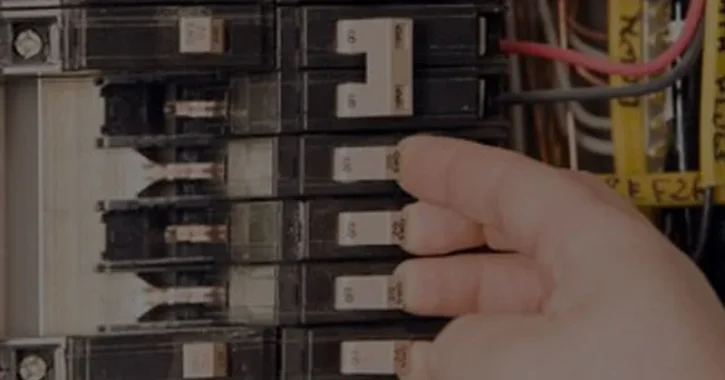
A buzzing electrical panel is one of those sounds that makes Chicago homeowners stop in their tracks. Sometimes it is harmless background noise from a transformer or a large appliance cycling on. Other times it points to loose connections, failing breakers, or an outdated panel that cannot safely handle modern load. Knowing the difference can protect your home from fire and shock.
This guide explains what buzzing at the panel often means, how it connects to hot smells and scorch marks, why certain legacy brands raise red flags, and when a panel is simply too old to trust. It is educational, not a sales pitch for a full replacement. If you need professional panel work, see our overview of electrical panels and when a broader electrical service upgrade makes sense.
Normal Buzz vs Warning Buzz at the Panel
Electrical equipment can produce a faint hum when current flows through coils and bus bars. You might notice it near the meter or inside a utility transformer on the pole. That low hum is different from a loud buzz, crackle, or sizzle coming directly from your breaker box.
Warning signs include buzzing that gets louder under load, buzzing paired with flickering lights, or noise that starts suddenly after a storm or renovation. A breaker that chatters when a microwave or space heater runs may be arcing at its connection to the bus bar. Arcing creates heat and carbon tracking, which is how panel fires start.
Do not open a live panel cover to hunt for the sound. Homeowners should never troubleshoot energized bus bars, main lugs, or service conductors. If the noise is clearly inside the panel and not from outdoor equipment, treat it as a fault until a licensed electrician proves otherwise.
Hot Smell or Burning Odor at the Panel
Plastic insulation, breaker bodies, and wire jackets can overheat when connections loosen or when a breaker fails internally. A hot or burning smell near the panel is an urgent signal. You may also notice discoloration on the dead front cover, warmth on the metal door, or a acrid odor like melting plastic.
Shut off power if you can do so safely at the main breaker or main disconnect without touching damaged parts. If the smell is strong, you see smoke, or the main breaker is too hot to approach, stay back and call for help. Do not keep resetting a tripping breaker to mask the problem.
Hot smells at outlets elsewhere in the home can also trace back to the panel when a branch circuit connection is failing. Our guide on warm outlets and burning smells covers room-level warning signs that sometimes share the same root cause.
Federal Pacific, Zinsco, and Other Legacy Panel Flags
Some panels installed from the 1950s through the 1980s have documented safety concerns. Federal Pacific Electric (FPE) Stab-Lok panels and Zinsco panels appear frequently in older Chicago bungalows, two-flats, and suburban ranch homes. Not every individual breaker fails, but independent testing and field reports have linked these brands to breakers that may not trip under fault conditions.
Other names that often prompt a professional evaluation include Pushmatic, certain Challenger panels, and fused pull-out mains that have been modified over decades. A label on the cover is a starting point, not a final verdict. A licensed electrician inspects bus condition, breaker seating, scorch marks, and whether prior owners swapped breakers across brands.
Insurance companies and home inspectors sometimes flag these panels during sales. That does not always mean immediate replacement, but it does mean you should not ignore buzzing, heat, or chronic tripping on a legacy box.
When an Electrical Panel Is Outdated
Age alone is not the only factor, but panels older than 25 to 40 years often lack modern safety features and spare capacity. Signs an panel is outdated include:
Repeated use of tandem breakers to squeeze more circuits onto a full bus, rust or moisture inside the enclosure, missing cover screws, blank spaces filled with improper fillers, and aluminum branch wiring landed on connectors not rated for it. Homes with only 60 or 100 amp service, knob-and-tube remnants in junction boxes, or heavy use of window AC units on shared circuits are also capacity stressed.
Modern life adds load: EV chargers, heat pumps, induction ranges, and finished basements all draw more power than a 1960s service was sized for. Buzzing under normal dinner-time load can mean the bus is working at its limit with poor connections.
Replacement timing depends on condition, not calendar age. A clean 1990s panel with room to spare may be fine. A buzzing 1970s Stab-Lok with scorched bus bars is not. Detailed replacement planning belongs on the electrical panels hub, not in an emergency triage article.
When to Kill Power and Call a Licensed Electrician
Turn off power at the main breaker or disconnect when you smell burning at the panel, hear loud buzzing or crackling, see sparks, or notice the panel enclosure is hot. Evacuate if smoke is visible. Call 911 first if fire is active, then contact an electrician for repair assessment.
Call for same-day or emergency help when a breaker will not stay reset, when multiple circuits fail at once, when water has entered the panel, or when you are unsure which breaker controls a humming circuit. STS Electric offers 24×7 emergency electrical service across Chicago and Cook County for active hazards.
Do not remove the panel cover, poke breakers with tools, or spray cleaners into the box. Do not install larger breakers to stop nuisance tripping. Those actions increase arc flash and fire risk.
What Professional Diagnosis Looks Like
A licensed electrician starts with the cover off only after confirming safe working conditions. We inspect bus bars, breaker connections, grounding, bonding, and signs of double tapping or improper splices. Thermal patterns and loose lug torque are common findings on buzzing calls.
Repair might mean replacing individual breakers, tightening lugs, or correcting a specific branch fault. Replacement is recommended when the enclosure is damaged, the bus is burned, the brand history warrants it, or there is no safe path to add needed circuits. Service upgrades are a separate scope when the utility feed and meter equipment are undersized.
Documentation helps for insurance and real estate. We explain findings in plain language so you can prioritize safety before cosmetic fixes elsewhere in the home.
Chicago and Cook County Context
Chicago housing stock spans prewar masonry flats, postwar bungalows, and newer condo conversions. Basements and rear garages often hide panels in tight corners with poor lighting. City and suburban jurisdictions expect permitted work when you change service size or add new circuits.
Landlords and condo associations should treat tenant reports of buzzing panels as priority maintenance. Delaying inspection after a hot smell puts multiple units at risk in shared buildings.
Seasonal load swings matter in Chicago. Window AC units and portable electric heat can push marginal panels over the edge. Note which appliances were running when you heard buzzing; that detail speeds diagnosis.
FAQ: Buzzing Panels and Outdated Equipment
Is a slight hum from my breaker box always bad?
Not always. Compare volume and context. New humming after adding load, plus heat or smell, is not normal.
Should I replace a Federal Pacific panel immediately?
Schedule a licensed inspection soon. Replacement is often recommended, but the urgency rises if you already have buzzing, tripping, or scorch marks.
Can I tighten breakers myself to stop buzzing?
No. Working inside an energized panel is not a homeowner task. You risk shock and arc flash.
Will a service upgrade stop the buzzing?
Only if the root cause is capacity or failing main equipment. Many buzzing issues are loose connections that repair resolves without upsizing service.
When should I call emergency service?
Burning smell, smoke, crackling, hot enclosure, or water in the panel are emergencies. Shut off power if safe, then call (773) 721-1111.
Next Steps With STS Electric
If your panel buzzes, smells hot, or has not been evaluated in years, schedule a licensed inspection before adding major appliances or EV charging. STS Electric serves Chicago from 939 W North Ave #746. Call (773) 721-1111 for emergency response or routine panel evaluation.




