


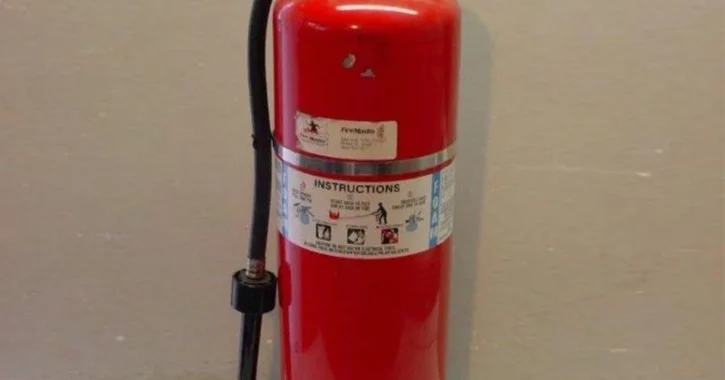
A fire extinguisher is an active protection device for small fires – not a substitute for evacuation or calling 911. For Chicago property owners, the right extinguisher (and knowing when not to fight a fire) sits next to electrical safety upgrades. Start with our electrical fire prevention guide for wiring and panel hazards.
What a Fire Extinguisher Does
Extinguishers put out or control a fire in its early stage by using a pressurized agent. Once a fire is spreading, smoke is heavy, or the path out is unclear, leave immediately and call the fire department. Extinguishers buy time only when the fire is small, contained, and you have a clear exit behind you.
US Fire Classes You Should Know
Labels use class letters so you do not put the wrong agent on the wrong fuel:
Class A – ordinary combustibles (wood, paper, cloth, some plastics)
Class B – flammable liquids (gasoline, oil, some solvents)
Class C – energized electrical equipment
Class D – combustible metals (specialized industrial use)
Class K – cooking oils and fats in commercial kitchens
Many home multipurpose units are rated ABC. Match the label to the hazards in that room – kitchen, garage, workshop, or mechanical space.
Electrical Fires Need Extra Caution
On live electrical equipment, use an extinguisher rated for Class C. Water and some foam types can conduct electricity and make shock or spread worse. If you can shut power at the breaker safely from a distance, do that first – then treat leftovers as an ordinary Class A/B situation only after the circuit is dead.
Burning smells from outlets, panels, or cords are electrical fault signals. Do not ignore them after the fire is out. See our overview of electrical fires and have an electrician check the cause.
Choosing and Placing Extinguishers
Look for units listed by a recognized testing lab, with clear class symbols on the label. Mount them near exits, at eye level where possible, and away from heat sources that would block access during a fire. Check the gauge monthly and service or replace units that are discharged, damaged, or past their inspection date.
Homes often need at least one ABC unit on each level plus a kitchen-appropriate option. Workplaces and shops may need multiple units sized to occupancy and hazard – and staff who know the PASS method: Pull, Aim, Squeeze, Sweep.
Extinguishers Alone Are Not Electrical Safety
An extinguisher reacts after ignition. Prevention starts with correct wire gauge, tight connections, no permanent extension cords, and panels that are not overheating. Reduce risk before a device is ever needed with controlling electrical risk practices.
Need Help After an Electrical Fire Scare?
STS Electric inspects and repairs Chicago properties after trip, smoke, or heat events tied to wiring and panels. Call (773) 721-1111 if you smell burning plastic near electrical gear or a breaker will not stay reset.




