


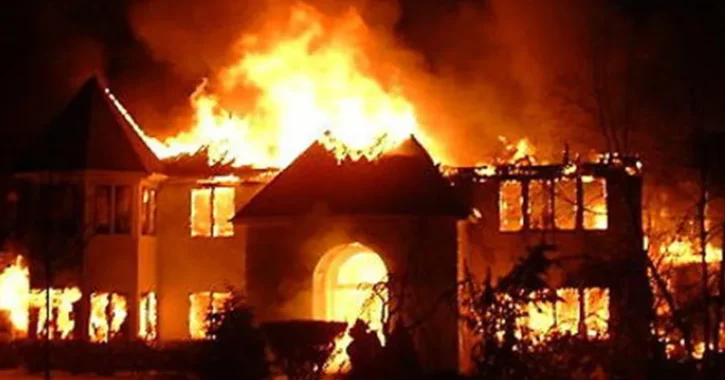
Most home fires are preventable. Kitchens, bedrooms, and basements see heat, cords, and storage stack up – and in older Chicago housing, wiring and panels often share the blame. Use this page as a practical home fire-prevention checklist. For deeper electrical causes and panel warnings, see our electrical fire prevention guide.
Start With Habits That Stop Everyday Ignition
Charge phones and laptops on a hard, flat surface – never under pillows, on bedding, or under rugs where heat cannot escape. Unplug damaged cords. Keep space heaters three feet from bedding, curtains, and paper, and shut them off when you leave the room or go to sleep.
Never run cords under carpets or furniture. Pinched cords overheat. If a room needs permanent power, add outlets – do not make a temporary cord a permanent solution.
Kitchen, Candles, and Smoking
Stay with cooking. Keep towels, paper, and grease away from burners. Candle flames need clear space and adult supervision. If anyone smokes indoors, use deep ashtrays and never smoke in bed.
Flammable liquids and paint thinners belong in labeled containers away from furnaces, water heaters, and panels. Spills near heat sources are a classic garage and basement fire path.
Outlets, Cords, and Bedroom Hazards
Outlet covers help with kids, but overloaded strips and worn receptacles are the bigger adult risk. Warm outlet faces, scorch marks, buzzing, or a fishy plastic smell are electrical fire signals – not quirks.
Bedrooms see under-bed storage, heating pads, and device charging on soft surfaces. Clear clutter from heat sources and replace frayed lamp or charger cords instead of taping them.
Smoke Alarms and Escape Plans
Working smoke alarms on every level and outside sleeping areas buy exit time. Test monthly, replace batteries on schedule, and replace units past their listed life. An extinguisher is for a tiny, contained fire with a clear exit behind you – not a substitute for getting out and calling 911. Basics: what are fire extinguishers.
Practice two ways out of every bedroom and a meeting spot outside. Do not go back inside for phones or pets once you have exited.
The Electrical System Is Fire Prevention Too
Repeated breaker trips, flickering lights when large loads start, warm panel covers, and scorched devices mean heat is building where you cannot see it. Extension cords used as permanent wiring are a top residential contributor.
Have a licensed electrician inspect suspect wiring, aluminum terminations, and aging panels before you add major loads. Pair this checklist with controlling electrical risk practices – prevention beats cleanup after a fire.
What You Can Do vs. What Pros Must Do
You can clear storage from the panel face, stop daisy-chaining power strips, unplug damaged cords, test smoke alarms, and write down when trips or odors happen. Stop at panel work, scorched devices, water-stained electrical gear, or unknown splices in walls.
STS Electric inspects and upgrades Chicago homes to reduce electrical fire risk. Call (773) 721-1111 if you smell burning near outlets or a breaker will not stay reset.




