


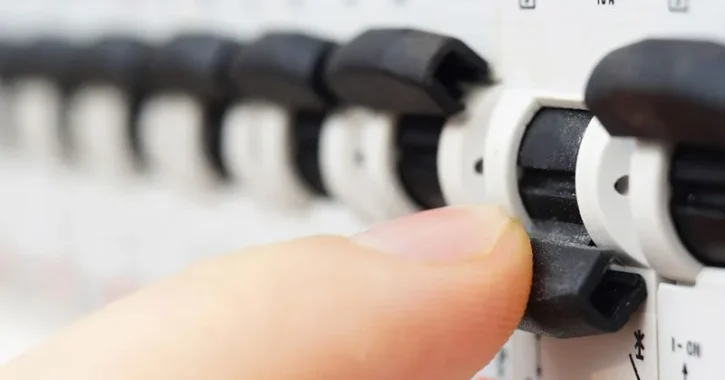
Problematic electrical zones are areas in a home where wiring, outlets, panels, or circuits are stressed, outdated, or installed incorrectly, raising fire and shock risk. In older Chicago houses especially, adding high-wattage appliances, space heaters, home offices, or EV chargers can push those weak spots past a safe limit. STS Electric helps homeowners spot and correct these zones before they cause damage, outages, or worse.
What are the most common problematic electrical zones?
Most residential hazards cluster in a few places: loose connections, overloaded or improvised circuit protection, aluminum and knob-and-tube wiring, undersized panels, damaged conductors, missing AFCI/GFCI protection, and damp exterior or garage outlets. Each zone has clear warning signs. Treat warm switch plates, buzzing, burning smells, frequent trips, or flickering as stop-and-call signals not DIY experiments.
Why are loose electrical connections so dangerous?
Loose wire connections at outlets, switches, or lugs inside the panel create resistance. That resistance produces heat, which can melt insulation and ignite nearby materials. Flickering lights, warm cover plates, buzzing, or a burning smell near one device are classic cues. Shut the circuit off at the breaker and have a licensed electrician inspect before you use that outlet again. Our guide on loose electrical connections covers how these faults form and how we repair them safely.
How do overloaded circuits and tandem breakers create risk?
When too many devices share one circuit, breakers trip or homeowners “fix” the symptom with a larger breaker or stacked tandem breakers without a real panel upgrade. Both moves can leave the wire unprotected. Dim lights when a compressor starts, warm breaker handles, and repeat trips mean you need a load review, not a bigger breaker. For a practical overview of protection devices, see our guide to circuit breakers and fuse boxes.
Is aluminum wiring still a problem in Chicago homes?
Yes. Many homes built in the 1960s–1970s used aluminum branch wiring. Aluminum expands and contracts more than copper, so terminals loosen over time, especially where aluminum was joined to copper without approved connectors. Warm covers, multi-circuit flicker, or unexplained trips justify a full evaluation. Remedies may include COPALUM-style crimps, AlumiConn connectors, or copper pigtails. Partial fixes that leave mixed, unapproved splices can be worse than leaving the system alone until a licensed crew maps it.
When does an old electrical panel become a hazardous zone?
Screw-in fuse panels and many 60–100 amp breaker panels cannot support modern HVAC, laundry, electronics, and charging loads. Frequent blown fuses, trips when two appliances run, or “cheater” breakers used to invent capacity are red flags. A proper electrical service upgrade to a code-compliant 150–200 amp panel (when the service and load calc support it) removes one of the highest-risk problem zones in an older home.
What wiring problems hide behind walls?
Undersized conductors (for example, 14 AWG on a 20-amp breaker), rodent damage, cracked insulation, and old cloth or rubber insulation can overheat before a breaker ever opens. Discolored outlets, a persistent “fishy” or musty electrical smell, or visible damage in attics and basements mean you need a documented inspection not another outlet cover. Licensed crews can open, megger where appropriate, and replace damaged runs through professional electrical repair service.
Where should AFCI and GFCI protection be installed?
AFCI devices help interrupt dangerous arcing that starts fires; GFCI devices help prevent shock at wet locations. Problem zones include bedrooms without AFCI coverage, kitchens and baths without GFCI, laundry and garage receptacles that skip protection, and lingering two-prong ungrounded outlets. Homes built before modern code cycles often lack these layers until renovations or a panel upgrade catch up. Use a Chicago-focused home electrical safety checklist to walk room by room before you schedule upgrades.
Why is knob-and-tube or cloth wiring a whole-home concern?
Pre-1950 systems with knob-and-tube or aging cloth insulation were never designed for today’s continuous loads, and they typically lack an equipment grounding conductor. Insulation grows brittle; splices get buried; insulation companies sometimes foam over open-air runs that were meant to stay cool. Frequent fuse events, scorched covers, or a “burning dust” smell call for assessment. Safe resolution is usually planned rewiring—not spot patches. Our team outlines that process in safe home rewiring by Chicago electrical services.
How do outdoor and damp locations fail?
Decks, garages, crawlspaces, and exterior fixtures need weather-resistant devices, in-use covers where required, and GFCI protection. Rusted screws, trips after rain, and dead exterior lights often mean water reached a box or receptacle. Replacing standard indoor devices with weather-resistant GFCIs and sealing penetrations closes a high-risk zone that shows up every wet season in Chicago.
Why do these zones matter more than a small repair bill?
According to the U.S. Fire Administration, electrical failures and malfunctions remain a major cause of residential fires, deaths, injuries, and property loss each year. Most of those events start in one of the zones above heat at a connection, arc fault, or overloaded path rather than in a single “mysterious” appliance. Fixing the zone removes the source instead of resetting the symptom.
Who should inspect, how does the visit work, and why hire licensed electricians?
Who: Homeowners, condo boards, landlords, and buyers in Chicago and nearby suburbs when a house is older, recently loaded with new equipment, or showing trips, heat, or odors.
How: We walk the panel, sample representative outlets and GFCI/AFCI status, note aluminum or legacy wiring clues, and prioritize repairs by fire and shock risk. Findings come with clear next steps, repair, dedicated circuits, protection devices, or service upgrade.
Why licensed: Opening live panels, sizing conductors, and meeting Chicago electrical code are not safe DIY weekend projects. STS Electric is licensed, bonded, and insured, follows documented technical standards, and provides 24/7 emergency response when a zone is actively failing.
Frequently asked questions
How often should Chicago homes get an electrical safety check?
If your home is more than a few decades old, or you have not had a licensed inspection in roughly 5–10 years, schedule one, especially before adding an EV charger, major remodel, or heavy new HVAC load.
Can I “test” a hot outlet with a DIY adapter?
No. Warm devices, burning smells, or sparking mean power down and call. Testers and adapters do not replace opening the box and verifying torque, conductor size, and protection type.
Does replacing one outlet fix a whole problematic zone?
Sometimes a single receptacle fails; often the heat or arc started at a connection or shared circuit. Fix the failing point, then confirm the rest of the circuit and panel path.
Need help finding problematic electrical zones in your home?
STS Electric serves Chicago and nearby communities including Lincoln Park, Lakeview, Oak Park, Evanston, and Arlington Heights. Call (773) 721-1111 for 24/7 emergency service or a free estimate and a clear plan to make your home safer.




