


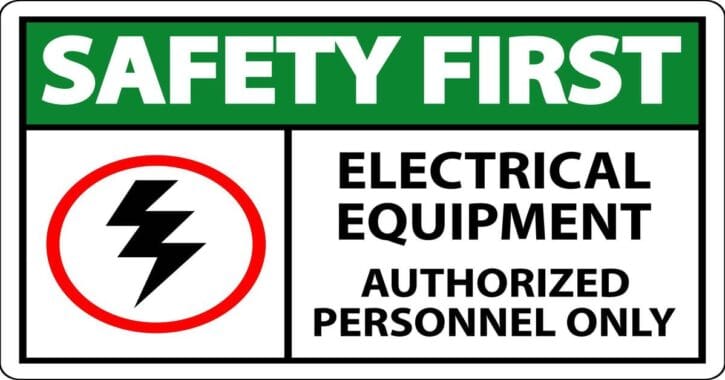
Chicago electrical work is governed by City of Chicago Department of Buildings rules and the National Electrical Code (NEC) as adopted locally. Homeowners feel those rules most during remodels, panel upgrades, and permit inspections: more GFCI and AFCI protection, listed materials only, licensed contractors for permitted work, and stricter punch lists on older bungalows and two-flats. This guide explains what is changing in practice for Chicago homes and how STS Electric keeps projects inspection-ready.
Why Chicago Electrical Safety Rules Keep Tightening
Inspectors and insurers keep seeing the same failure pattern in Chicago housing stock: aging aluminum or undersized wiring, overloaded kitchen circuits, DIY splices, and missing wet-location protection. Those problems are not just inconvenience. They drive shock, arc-fault fire risk, and failed sales when a buyer’s inspector opens the panel.
Updated safety expectations aim to cut fire risk, raise installation quality, protect crews on hazardous jobs, and push older buildings toward modern protection devices. For a broader homeowner primer on codes, see our electrical codes page.
What Homeowners Actually See Changing
More GFCI and AFCI Protection
Kitchens, baths, garages, unfinished basements, outdoors, and many living-area circuits now expect GFCI and AFCI coverage that older homes never had. If your panel or receptacles predate those requirements, a remodel or service change often triggers upgrades so the finished work can pass inspection.
Stricter Permit and Inspection Checklists
City inspectors use detailed checklists for service changes, new circuits, and opened walls. That means clearer load calculations, labeled panels, proper box fill, and bonding that matches the drawing. A longer inspection is usually safer than a pass that hides a loose lug.
Listed Materials Only
Electricians must use UL-listed or otherwise approved devices and conductors for the application. Cheap unlisted receptacles, undersized extension-as-permanent wiring, and mismatched breakers on thin wire fail inspection and raise fire risk.
Licensed Work for Permitted Jobs
Chicago expects licensed electrical contractors for permitted work. DIY panel work, meter-side changes, and unpermitted rewires create liability for owners when something fails. Why that matters locally: why licensed electrical services matter in Chicago.
Modern Loads and Efficiency Expectations
EV chargers, induction ranges, finished basements, and denser lighting plans raise amp demand. Code-aligned work sizes feeders and breakers for those loads instead of stacking strips on a 15A kitchen circuit. Overload patterns and warning signs are covered on our overloaded circuits guide.
Why DIY Electrical Work Is Riskier Under Current Rules
Even “simple” receptacle swaps can trigger box-fill, grounding, and AFCI/GFCI issues that older DIY guides ignore. Unpermitted work in walls can fail a future sale or insurance claim. Practical daily safety habits still matter: see electrical safety tips.
If a breaker trips repeatedly, an outlet feels warm, or lights dim when the microwave starts, stop stacking loads and schedule a diagnosis rather than installing a larger breaker on the same wire.
How STS Electric Helps Chicago Homes Stay Compliant
STS Electric pulls the correct City of Chicago or village permits, uses listed materials, documents load calculations when capacity is tight, and leaves labeled panels for inspectors and future buyers. We explain scopes in plain language so you know what the code requires versus what is optional convenience.
Older Northwest Side bungalows, condo meter rooms, and restaurant tenant spaces each need different access and COI planning. We coordinate those details before drywall closes. For residential scheduling, see licensed residential electrician services.
FAQ: Chicago Electrical Safety Rules
Do I need a permit for every electrical repair?
Not every small repair needs a permit, but service changes, new circuits, panel work, and many remodel openings do. When in doubt, ask before walls close. Unpermitted work is expensive to unwind later.
Will an old home fail inspection just because it is old?
Inspectors grade the work being permitted, not nostalgia. Opening walls or changing service often requires bringing related protection up to current rules for those circuits.
Can I keep resetting a breaker that trips after a remodel?
No. Repeated resets can hide overload or a loose connection. Clear loads once, reset once, and call if it trips again with normal use.
Why hire STS Electric for code-sensitive work?
We stay current on Chicago Department of Buildings expectations, use approved materials, and focus on inspection-ready installs for homes and light commercial sites. Call (773) 721-1111 from 939 W North Ave #746, Chicago, IL 60642.




