


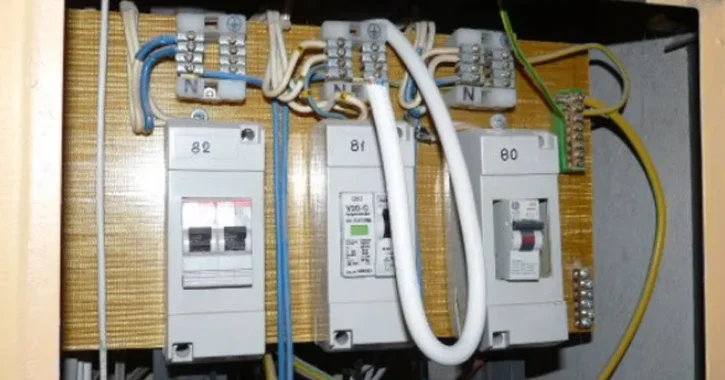
A free or loose connection on a circuit breaker terminal is a high-resistance joint where the hot wire is not clamped firmly under the breaker lug screw. That joint heats under load, can arc, and may discolor the breaker, melt insulation, or start a panel fire. Flickering lights and intermittent appliance faults on one circuit are common early signs in Chicago bungalows and two-flats with older panels.
General breaker behavior belongs on our circuit breakers hub. Broader panel risk and replacement planning live on our electrical panel safety guide. Use this page for lug torque, free/loose hot-wire terminals, and what a licensed electrician checks inside the panel.
What a Free Breaker Terminal Connection Means
Each branch breaker has a terminal screw that clamps the circuit conductor. When that screw is under-torqued, vibrated loose, or installed with insulation under the lug, contact area shrinks. Current then concentrates at a small metal point. Resistance rises, temperature rises, and the joint can glow while the rest of the circuit still looks normal.
This is different from stacking two hots under one screw when the breaker is not listed for two conductors. Double-tapping is covered on our two or more wires under one screw terminal. Free connections are about clamping force and prep on a single (or listed dual) conductor, not about how many wires share the hole.
Why Breaker Lugs Loosen Over Time
Thermal cycling expands and contracts metal. Aluminum branch wire moves more than copper and is a classic source of loose lugs when compound, listed connectors, and torque were skipped. Vibration from nearby laundry equipment, poorly seated breakers on the bus, and DIY work without a torque driver also leave screws soft.
Insulation left under the terminal is a code violation and a mechanical problem. The screw bites jacket instead of copper, so the joint never seats. Excess bare copper past the lug can also touch the panel can or adjacent parts. Correct strip length and a clean conductor end are part of every proper landing.
Symptoms Homeowners Notice First
Watch for lights that flicker when a heavy load starts, warm or buzzing breakers, a burning smell at the panel, brown or black marks on the breaker body, and intermittent dead circuits that return after someone “wiggles” nothing you should touch. A breaker that trips without a clear overload can also be heat-damaged from a bad lug.
Do not keep resetting a breaker that feels hot or smells like plastic. Cut power at the main if you can do so safely from outside the enclosure, leave the panel alone, and call for service. Opening a live panel to tighten screws is how shock and arc-flash injuries happen.
What a Proper Repair Looks Like
A licensed electrician de-energizes the panel, removes the breaker from the bus when needed, inspects the conductor for heat damage, and cuts back to clean metal if the end is pitted or annealed. The lug is cleaned or the breaker replaced if the terminal is burned. Torque follows the breaker manufacturer rating, not “as tight as it feels.”
Damaged wire may need a pigtail with a listed connector. Aluminum may need antioxidant compound and devices listed for aluminum. Neutral and ground issues at the panel are a different failure mode; those belong with defective neutral wire connections when the neutral bar or feeder neutral is the weak point.
Torque Specs Beat Guesswork
Breaker makers publish inch-pound ratings for terminal screws. Under-torque leaves a free connection. Over-torque can crack the lug or strip threads. Experienced DIY still fails here without the right driver and without verifying power is dead. Panel work in Chicago often requires permits when breakers are replaced or circuits are altered.
After repair, the electrician should re-seat the breaker fully on the bus, restore covers, and retest under load. Labeling should stay accurate so the next outage does not send someone hunting the wrong circuit.
Chicago Panel Conditions That Raise Risk
Basement panels near laundry, unfinished porch panels, and crowded Federal Pacific or Zinsco replacements all see loose lugs more often when vibration, heat, and age stack up. Remodeled kitchens that added loads on old landings can heat a marginal screw until it fails.
If your panel shows multiple browned breakers, treat the whole enclosure as suspect. One free connection can be a single missed screw; a pattern of heat damage often means a wider inspection and possible panel upgrade, not a one-screw fix.
How STS Electric Handles Free Terminal Repairs
We diagnose with the panel de-energized, repair or replace damaged breakers and conductors, apply listed torque, and document what changed. If heat damage reached the bus or enclosure, we discuss replacement options instead of patching a burned panel.
Schedule through licensed residential electrician services or call (773) 721-1111 from 939 W North Ave #746 for Chicago and Cook County homes.
FAQ: Free Connections on Breaker Terminals
Can I tighten a breaker screw myself?
No. Panels stay energized at the bus even when a branch breaker is off. A licensed electrician de-energizes equipment and uses manufacturer torque values.
Is a free connection the same as a double-tap?
No. A free connection is a loose or poorly prepared clamp. A double-tap puts two wires under one screw when the breaker is not listed for that use. Both are unsafe for different reasons.
Why do lights flicker on only one circuit?
A high-resistance joint at that circuit breaker lug is a common cause. Other causes include bad splices downstream. An electrician traces load, heat, and voltage drop to confirm.
Will replacing the breaker always fix it?
Only if the terminal and wire are still sound. Burned copper, aluminum creep, or a damaged lug may need wire repair plus a new breaker. Ignoring heat marks leaves the next joint to fail.




