


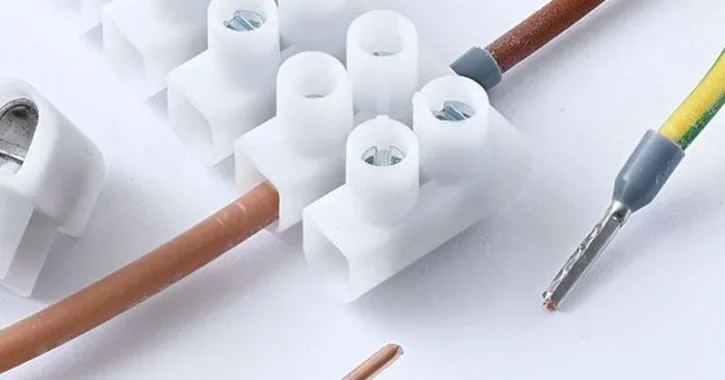
Two or more wires under one screw terminal means a double-tap: conductors stacked under a single screw that is not listed for that use. The clamp cannot hold both wires evenly. One conductor loosens, resistance rises, and heat or arcing follows. In Chicago homes this shows up on outlets, switches, and breakers after DIY remodels.
This spoke covers multi-wire under one screw only. For the cluster overview, use the wire connection issues hub. Everyday looseness without stacking belongs on loose electrical connections. Under-torqued single hots on breakers belong on free connections on circuit breaker terminals.
Why Double-Taps Are a Code and Safety Problem
Most device and breaker terminals are listed for one conductor unless the label or manufacturer sheet says two of a specific size. Stacking two wires under one screw leaves uneven pressure. Vibration and thermal cycling free the smaller or softer wire first.
Grounds are a frequent offender: two bare grounds under one green screw on a receptacle. Hots and neutrals get double-tapped when someone adds a device without a pigtail. On breakers, two hots under one lug is a classic panel defect when the breaker is not listed for two.
Heat at the terminal can discolor the device, melt insulation, and trip breakers intermittently. In severe cases the joint arcs and becomes an ignition source. That risk is why inspectors flag double-taps during sale and remodel walkthroughs.
Where You Find Two Wires Under One Screw
Receptacles and switches: two hots, two neutrals, or two grounds under one terminal. Junction transitions that should have been pigtails. Breakers: two branch hots under one lug. Neutral bars can also be overcrowded, but open or defective neutrals are covered on the defective-neutral spoke.
Chicago two-flats and bungalows see this after successive kitchen and basement upgrades. The last installer needed “one more wire” and used the nearest screw instead of a listed connector or pigtail.
Do not confuse a listed dual-rated breaker with an illegal stack. Some breakers accept two conductors of matching size when the label allows it. If the label is missing or the sizes differ, treat it as a defect until verified.
Symptoms That Point to a Double-Tap
Warm device yokes, flicker on one branch, intermittent opens when something bumps the box, and breakers that trip under modest load can all appear. Scorch on the terminal screw or insulation is a hard stop.
A thermal camera often shows a hot lug while the rest of the panel stays cooler. That pattern differs from a whole-panel overload. Pair diagnosis with electrical fire prevention guidance if you already smell heat.
Double-Tap vs Loose Connection vs Free Lug
Double-tap: too many wires under one screw. Loose connection: the correct single wire is present but not clamped. Free breaker lug: one wire in the lug but under-torqued. Fixes differ: pigtail or listed dual terminal for double-tap; retorque or replace device for loose; torque to spec for free lug.
Replacing the outlet alone does not fix a double-tapped breaker. Torqueing a lug does not fix two grounds under one screw. Match the repair to the failure mode using the hub and sibling spokes.
Correct Repair Methods
De-energize and verify dead. For devices, pigtail with a listed wirenut or lever connector so one conductor lands under each terminal. For grounds, use a listed ground pigtail or bar method that matches the enclosure listing.
For breakers, move one hot to an adjacent listed breaker or replace with a breaker listed for two conductors of that size. Never leave mismatched sizes under one lug. Cut back heat-damaged wire to clean metal and replace burned devices.
Aluminum needs listed connectors and often antioxidant compound. After repair, test under load and update labels. Permits apply when the scope changes permanent wiring under local rules.
What Homeowners Should Not Do
Do not pry a second wire under a screw to finish a weekend project. Do not tape over a stacked terminal. Do not open a live panel to “rearrange” breakers. Document photos with power off if you can do so safely, then call a licensed electrician.
If water entered the panel or boxes, stay out of standing water and treat circuits as unsafe until dried and tested.
Chicago Remodel Context
Crowded boxes, unlabeled circuits, and mixed copper-aluminum transitions raise double-tap rates. Condo and two-flat shared walls can confuse which unit owns a splice. Tell the tech which rooms fail and which breakers you already identified.
Buyers and insurers increasingly ask about panel condition. Cleaning double-taps before closing reduces negotiation leverage against you and lowers fire risk after move-in.
How STS Electric Fixes Double-Taps
We identify illegal stacks at devices and breakers, repair with listed pigtails or dual-rated hardware, and explain whether the issue was one box or a pattern from prior remodels. Emergency calls for heat and arcing are prioritized.
Schedule through licensed residential electrician services or call (773) 721-1111 from 939 W North Ave #746 for Chicago and Cook County homes.
Bring photos of the device label and breaker listing when possible. That detail tells us whether a dual-rated terminal was misused or whether a pigtail is the only compliant path. Clear access to the panel and the troubled box shortens the visit.
After repair, ask for a short note on what was pigtailed, which breakers were replaced, and whether any aluminum transitions remain. That record helps the next owner and supports insurance questions after a claim.
FAQ: Two Wires Under One Screw Terminal
Is it ever legal to put two wires under one screw?
Only when the terminal or breaker is listed for two conductors of the sizes used. If the listing is unclear, treat it as not allowed and pigtail instead.
Are two grounds under one screw a double-tap?
Yes, on devices not listed for two grounds under one screw. Use a proper ground pigtail method.
Can a double-tap cause a fire?
Yes. Uneven clamp force raises resistance and heat. Scorch and smell mean stop use and repair.
Is a double-tap the same as a loose connection?
No. A double-tap is overcrowding under one screw. A loose connection is poor clamp on the wire that should be alone. See the loose-connections spoke for that path.
Should I fix a double-tapped breaker myself?
No. The panel bus stays energized even when a branch breaker is off. Hire a licensed electrician.




