


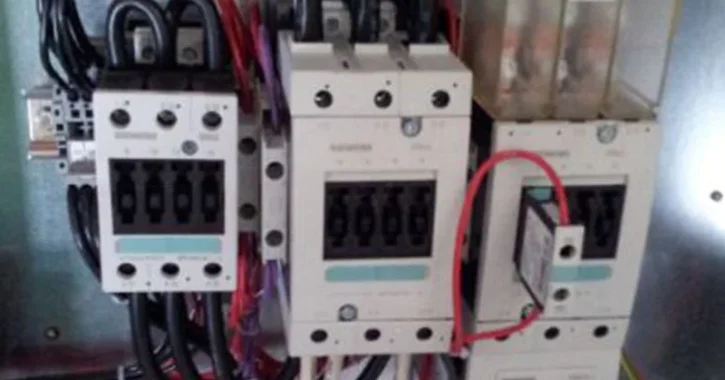
Overload protection is the set of devices and practices that stop a circuit from carrying more current than its wiring and equipment can safely handle. In a typical Chicago home, that job falls to fuses, circuit breakers, and sometimes dual-element devices that also react to short circuits. STS Electric, a licensed Chicago electrical contractor, explains how overload protection works, how it differs from overcurrent protection, and which precautions keep panels, power strips, and branch circuits from becoming fire hazards.
Who this helps: homeowners, landlords, and facility managers who see frequent trips, warm outlets, or daisy-chained power strips and need clear next steps.
What professionals provide: load assessment, correct breaker and conductor sizing, panel upgrades when capacity is the real issue, and documented repairs that meet Chicago electrical code.
What this is not: a green light to install a larger breaker on undersized wire, or a DIY fix for buzzing, burning smells, or breakers that will not reset.
What is overload protection in a home electrical system?
Every meter and service panel includes overload protection devices that open a circuit when amperage exceeds the rating of the fuse or breaker for a sustained period. The goal is to protect conductors and connected equipment from overheating. Overload protection usually follows an inverse-time curve: the higher the current above the rating, the faster the device opens. That is why a modest overload may take minutes to trip, while a severe overload opens much sooner.
Two main residential devices carry this role:
- Fuses: a calibrated link melts when current and heat exceed the fuse rating.
- Circuit breakers: thermal or thermal-magnetic mechanisms trip and can usually be reset after the overload is removed.
For device types, trip curves, and fuse-box vs breaker-panel basics, see our guide to circuit breakers and fuse boxes.
How is overload protection different from overcurrent protection?
Homeowners often use the words interchangeably, but electricians separate the jobs:
- Overload protection guards against sustained current above the continuous rating. It is primarily a heat problem. Response is intentional and time-delayed so harmless motor inrush does not kill power every time a compressor starts.
- Overcurrent (short-circuit) protection guards against very high current from a fault. It is meant to open almost instantly. On many standard breakers, magnetic trip action takes over around several times full-load current so the fault clears before conductors reach dangerous temperatures.
Some devices combine both. A thermal-magnetic circuit breaker uses a thermal element for overload and a magnetic element for short-circuit events. Dual-element fuses pack inverse-time and fast-acting characteristics in one cartridge. Understanding which behavior you are seeing helps decide whether you have a load problem, a wiring fault, or a failing device.
Why do circuit breakers trip from overload, and what should you check first?
Frequent trips are a symptom, not a design feature. One of the most common causes is overloading receptacle circuits with power strips and entertainment or office gear that the original layout never planned for. Older Chicago bungalows and apartments often have too few outlets for modern loads, so people stack strips and extension cords on a single branch. That pattern shows up again when we map problematic electrical zones during safety inspections.
Reduce nuisance trips and heat buildup by:
- Never daisy-chaining power boards or plugging a strip into another strip.
- Unplugging idle chargers and high-draw devices when not needed.
- Spreading loads across rooms and circuits instead of parking everything on one wall.
- Keeping space heaters, portable ACs, and hair tools on dedicated receptacles whenever possible.
Many power strips include a small onboard breaker. That board-level protection can trip before the panel breaker, but it does not make an overloaded branch circuit safe. If trips continue after you thin the load, look for loose connections, damaged cords, or a failing breaker rather than forcing the reset. Our note on loose electrical connections that cause breaker trips covers heat at terminations that can look like overload.
What overload precautions should every household follow?
Practical overload precautions protect both the wiring and the people who use it:
- Do not plug multiple high-amp appliances into one receptacle or one multi-tap.
- Avoid running laundry, kitchen, and HVAC-adjacent loads all on the same weak branch at once.
- Stay within the amp rating printed on the breaker, strip, and appliance nameplates.
- Treat a blown fuse or tripped breaker as a diagnostic event: find the cause before you restore power.
- Never replace a fuse with a higher amp rating, and never swap in a larger breaker to stop trips without verifying wire size.
If you cannot find an obvious load reason and the same circuit opens again, stop resetting and schedule an inspection. Persistent trips can point to a short, a failing appliance, aluminum or degraded wiring, or an undersized panel that needs a planned capacity fix rather than another temporary workaround. For step-by-step load fixes and dedicated-circuit options, use our guide to solutions for overloaded circuits.
When does overload risk become a fire or shock emergency?
Overload is dangerous because excess current turns into heat in conductors, connections, and device terminals. That heat can scorch insulation, discolor outlet covers, and ignite nearby materials long before a homeowner smells smoke. According to the U.S. Fire Administration, electrical failure and malfunction remain a major contributor to residential fire deaths, injuries, and property loss. Warm switch plates, buzzing, a fishy or burning odor, scorched plugs, or breakers that feel hot to the touch are stop-and-call signals.
Do not ignore repeat events after you already reduced plug loads. If you smell burning plastic or see discoloration at the panel, shut off the affected breaker if it is safe to reach, evacuate if conditions worsen, and call a licensed electrician.
How do Chicago electricians diagnose and fix overload protection problems?
A licensed crew starts with the symptom: which breaker, which room, which loads were running, and whether the trip was instantaneous or delayed. From there we measure loads, inspect terminations, verify conductor size against breaker rating, and check for shared neutrals, double-taps, or tandem breakers used as a capacity cheat. When the panel or service simply cannot support modern laundry, HVAC, EV charging, or home-office demand, the durable answer is often a service upgrade sized to a proper load calculation, not another strip.
Repairs stay within Chicago electrical code. That can mean replacing a fatigued breaker, correcting a loose lug, adding a dedicated circuit for a high-draw appliance, installing proper AFCI or GFCI where required, or repairing damaged branch wiring before the next overload event.
Frequently asked questions
Is a tripped breaker always an overload?
No. Instant trips often point to a short or ground fault. Slow trips under heavy use lean toward overload. Buzzing, heat, or smell points to a connection or device fault that needs inspection even if the load looks normal.
Can I fix overload protection by installing a bigger breaker?
Only when the wire, terminations, and load calculation support the new rating. Upsizing a breaker on undersized conductors removes overload protection and raises fire risk. That change belongs to a licensed electrician after a proper evaluation.
Do power strips replace panel overload protection?
No. A strip may protect itself, but the branch circuit, junction boxes, and wall wiring still need correctly rated panel protection and a realistic load plan.
Need overload protection help in Chicago?
If breakers keep tripping, fuses keep blowing, or outlets run warm, STS Electric can diagnose the circuit, correct unsafe workarounds, and restore protection that matches your real loads. Call (773) 721-1111 or contact us for a licensed Chicago electrician visit.




