


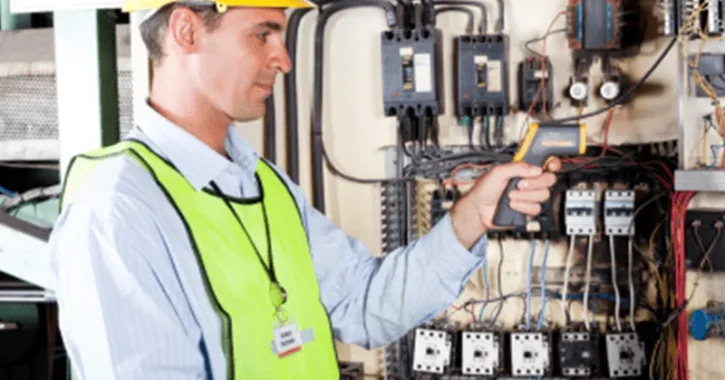
“Adaptable appliance testing” means checking cords, plugs, outlets, and hardwired connections so refrigerators, dryers, microwaves, tools, and shop equipment stay safe as loads and rooms change. Aging Chicago buildings often mix old receptacles with new high-draw appliances – that is where heat, shock, and fire risk show up. For wired-system maintenance beyond plug-in gear, see our preventive electrical maintenance guide.
Why Appliance Checks Matter More Than You Think
Most appliance fires and shocks start at the cord, plug, or receptacle – not inside the sealed compressor or motor. Frayed jackets, bent prongs, loose screws on outlet faces, and daisy-chained power strips all create resistance and heat. A dryer that trips the breaker, a microwave that dims the kitchen lights, or a tool that runs hot at the plug are early warnings.
In commercial kitchens, retail back rooms, and light shops, portable and fixed gear moves between circuits. Adaptable testing means re-checking after remodels, seasonal equipment swaps, and any time staff report tingling switches or warm outlet plates.
What a Useful Inspection Covers
Start visual: cracked plugs, missing strain relief, scorched outlets, melted power-strip plastic, and cords pinched under heavy appliances. Check that the appliance nameplate amperage matches the circuit. Dedicated circuits for ranges, dryers, and large freezers should not share with general receptacles.
Functional checks: GFCIs trip and reset correctly near sinks and wet areas. Breakers stay cool and do not chatter under normal start-up current. Extension cords are temporary only – never a permanent kitchen or workshop run. Warm receptacle faces after 15 minutes of use need a licensed electrician, not another adapter.
Home Appliances: Kitchen, Laundry, and Basement
Refrigerators and freezers need clean coils and a dedicated or lightly loaded circuit so compressors do not sag voltage on shared lighting runs. Microwaves and toasters should not stack on the same thin strip as kettles and air fryers. Laundry dryers are a top fire risk when vents clog and cords or receptacles loosen – inspect the 30A receptacle for burn marks and verify the plug seats fully.
Basement sump pumps, dehumidifiers, and workbench tools often hang off one overloaded strip. Move high-draw loads to fixed receptacles sized for the circuit, and keep water away from open outlets. Wet locations need GFCI protection – see our notes on outlets near water.
Workplaces and Shared Equipment
Employers should schedule periodic visual and functional checks of portable tools, coffee stations, and floor-cleaning machines. Document date, findings, and remediation. Train staff to report buzzing cords, intermittent power, and odors instead of resetting breakers until the smell goes away.
After tenant improvements or booth setups, retest circuits that gained new loads. A “fine yesterday” strip can overload when three heaters or espresso machines land on the same branch. Pair equipment checks with building-wiring review so you are not chasing appliance tickets that are really panel or shared-neutral problems.
Warning Signs That Mean Stop Using the Device
Unplug and take out of service if you see: sparking at the plug, burning plastic smell, soft or warm cords, intermittent operation tied to wiggling the cord, scorched outlet slots, or breakers that will not stay reset with only that appliance connected. Do not tape, twist, or “shim” a loose plug to make it stay in.
Repeated trips under light load often mean a short, ground fault, or failing internal switch – not something to clear with a larger breaker. That is how wiring behind the wall overheats. Fire-risk context: electrical fire prevention.
Maintenance Habits That Lower Cost Later
Keep ventilation clear around refrigerators, panels feeding appliance circuits, and laundry machines. Use the bulb wattage the fixture lists. One receptacle per high-draw kitchen appliance beats a six-outlet cube on a 15A circuit. Clean lint traps and dryer vents on schedule. Follow manufacturer instructions for first use and for any hardwired install that needs a disconnect within sight.
Fixing a warm outlet or loose cord now is cheaper than replacing burned drywall, spoiled fridge contents, or downtime in a commercial kitchen. Older Chicago two-flats and shops with original wiring benefit from a full panel and branch-circuit review when adding heat pumps, EV chargers, or commercial kitchen gear.
What You Can DIY vs. What STS Electric Handles
You can unplug damaged cords, clear dust and lint, stop daisy-chaining strips, label which breaker feeds which appliance, and photograph scorch marks before you call. Stop at outlet replacement in shared walls, aluminum wiring, three-phase shop gear, and anything involving panel lugs or dryer receptacles under load.
STS Electric inspects appliance circuits, replaces damaged receptacles and cords connection points, adds properly sized circuits, and diagnoses trips that look like “bad appliances” but start in the wiring. For after-hours failures, use our 24/7 emergency electrical repair line.
Schedule Appliance Circuit Testing in Chicago
Whether you manage a home, condo laundry room, restaurant, or light shop, adaptable testing keeps gear and people safer as loads change. Call STS Electric at (773) 721-1111 to schedule a site check of appliance circuits, GFCIs, and high-draw receptacles across Chicago and nearby suburbs.




