


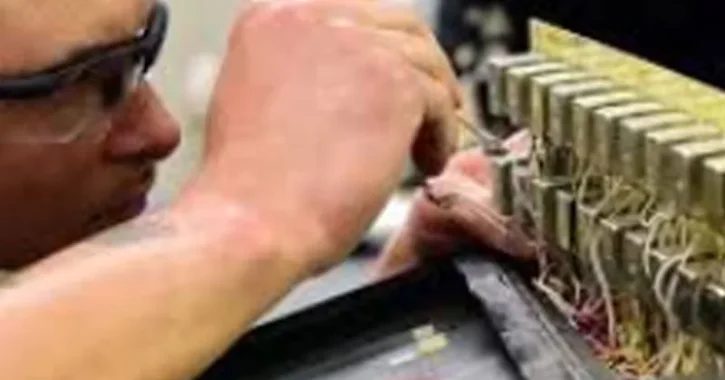
Poor circuit associations can come from an assortment of issues, including environmental factors, improper installations, and aging components. Understanding these causes is crucial for preventing electrical problems in your home.
Mismatched Breakers
Crisscrossed breakers are a typical issue. Most breaker boxes are intended to hold 15-amp breakers. A few property holders, accidentally or with an end goal to maintain a strategic distance from ordinary over-burdens, supplant their 15-amp breakers with higher-amp models. Utilizing a breaker with expanded amperage will enable your circuits to over-burden without stumbling a breaker. This can result in flames and serious harm to your home’s electrical framework.
Check your breakers regularly to guarantee they coordinate your breaker box’s amp rating. It’s essential to supplant any finished or under-fueled breakers promptly to avoid potential hazards. Furthermore, understanding the differences between breaker types, such as single-pole and double-pole breakers, can help you make informed decisions on your electrical upgrades or repairs.
Aluminum Wiring
Aluminum was mainstream in private electrical frameworks amid the 70s. In contrast to copper, aluminum extends and contracts with temperature changes. The constriction and extension of aluminum can cause free associations and present fire risks. If you suspect you have aluminum wiring, it’s important to have an expert look at your wiring on the off chance that you have a more seasoned home.
Moreover, be aware of signs such as flickering lights or outlets that feel warm to the touch, as these can indicate underlying issues that need immediate attention.
Leaks.
Breaker confines are normally found in storm cellars, pantries, utility rooms and different zones of the home containing abnormal amounts of dampness. After some time, water can gather on uncovered wires and cause consumption. Review any obvious wires for rust or other erosion, which can be a sign of moisture issues.
Dampness can likewise influence the inside of your breaker box, leading to costly repairs. Have an expert investigate your breaker box for dampness related weakening and consider installing weatherproof covers to prevent moisture intrusion in these vulnerable areas.
Age
Age likewise causes association issues. Old wires can dissolve and come free from associations, leading to increased risk of electrical fires. Dated breakers now and again have flawed equipment like aluminum wire or confounded breakers.
Generally speaking, it’s a smart thought to schedule an expert review if your breaker box is somewhere in the range of 10 and 15 years of age. Regular maintenance checks can help catch problems before they escalate, ensuring that your home’s electrical system remains safe and reliable.
Faulty Installation/Repairs
Harm from poor establishments and DIY activities can influence your associations significantly. Poor establishments and fixes can result in free associations, broken wires, and below-average protection. It’s vital to hire qualified professionals for electrical work to avoid these critical issues.
If you see indications of neglect or poor fixes, such as scorch marks or tripped breakers, get a professional to inspect your breaker immediately.
It’s important to note that free associations aren’t constantly situated in your breaker box. Problems with apparatuses, outlets, and inside wiring can also cause circuit over-burdens, often stemming from age or usage-related deterioration.
Harm from poor establishments and DIY activities can influence your associations. Poor establishments and fixes can result in free associations, broken wires and below-average protection. Contract an expert investigate your breaker on the off chance that you see indications of disregard or poor fixes.
Free associations aren’t constantly situated in your breaker box. Issues with apparatuses, outlets and inside wiring can likewise cause circuit over-burdens. By and large, these issues originate from age-or utilization related issues.
For more details visit common wire connection issues and empower yourself with knowledge that can prevent costly repairs and enhance your home’s safety.
Ultimately, ensuring the integrity of your electrical connections is vital for the safety and efficiency of your home. By regularly monitoring your electrical systems, you can help safeguard against potential hazards and ensure the reliability of your appliances and devices. Don’t wait until problems arise; be proactive about your electrical connections and maintenance.
For additional resources, consider checking online platforms that detail electrical safety practices and home improvement tips. Websites, forums, and even local community workshops can provide valuable insights into maintaining a safe electrical environment in your home. Remember, an informed homeowner is an empowered homeowner!


