


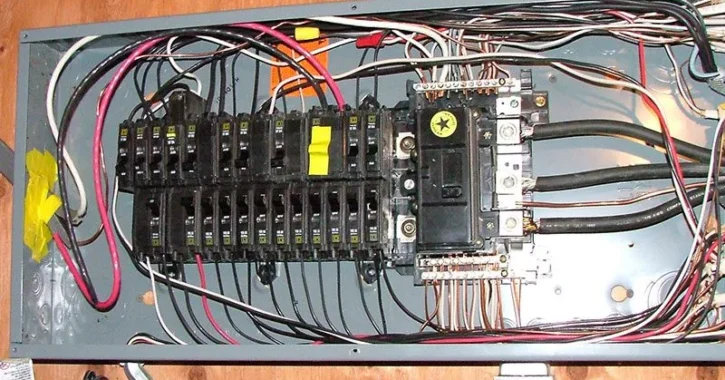
Categorizing Faulty Breakers: How to Install a New Breaker
Understanding Circuit Breakers
To effectively manage your electrical system, you should know the signs of a faulty breaker. For instance, if you notice flickering lights or appliances that suddenly shut off, these can be indications of an overloaded circuit. It’s important to investigate these issues promptly to prevent further complications.
Learning how to install a new breaker can empower you to handle electrical issues safely and efficiently.
Circuit breakers play a crucial role in protecting your home’s electrical system. They are designed to interrupt the flow of electricity in case of overloads or short circuits. By doing so, they prevent potential fires and damage to appliances. Understanding how they work and the importance of their maintenance can help you keep your home safe.
In addition to replacing breakers, consider upgrading to smart breakers that offer advanced features, such as remote monitoring and alerts. These can enhance the safety and efficiency of your electrical system.
Regular inspections of your electrical system are essential. Schedule a professional inspection at least once a year to ensure everything is functioning correctly. This proactive approach can save you from costly repairs and enhance your home’s safety.
It’s also beneficial to know the different types of breakers available. For example, Ground Fault Circuit Interrupter (GFCI) breakers are crucial in wet areas like kitchens and bathrooms, as they can detect ground faults and cut off power almost instantly.
When testing your breakers, ensure you have proper safety gear, including gloves and goggles. This will provide added protection while you work on potentially hazardous electrical components.
Much of the time, stumbled breakers don’t require a substitution. You can settle a flipped breaker by basically driving the change back to the on position. Make certain to kill light switches and unplug real apparatuses in the influenced room before flipping your breaker.
Understanding the layout of your breaker panel is also crucial. Familiarize yourself with which breakers control specific areas of your home to expedite troubleshooting and repairs.
In some cases, a breaker may trip due to a faulty appliance. To determine if this is the case, unplug all devices on the affected circuit and see if the breaker resets without issue.
Before proceeding with the installation, gather all necessary tools and materials, including screwdrivers, wire strippers, and safety gloves. Having everything on hand will streamline the process and reduce the risk of errors.
Additionally, consider reviewing the manufacturer’s guidelines for your specific breaker model. These instructions can provide valuable insights and ensure proper installation.
Proceeding to over-burden the circuit will result in consistent power blackouts.
Consistent electrical interferences, apparatus particular over-burdens, and turns stuck in the off position are basic indications of sketchy breakers. Make certain to supplant any risky breakers promptly.
Disregarding a broken breaker will undermine the security and productivity of your home. Consumed and hot-to-the-contact breakers are particularly perilous.
Call a master in the event that you see warm influenced breakers. This can at times be an indication of more genuine electrical breakdowns.
You can likewise utilize a multimeter to test the state of your breakers. Start by unplugging and turning off every one of the apparatuses associated with your dangerous breaker.
Next, evacuate the breaker box cover and ensure the breaker is in the on position. Contact your multimeter’s red power prompt the screw associated with the breaker by a dark wire.
Place your dark power lead on the grounded breaker box. In the event that your multimeter doesn’t have a perusing, your breaker is broken and should be supplanted.
In the event that there is an understanding, it should coordinate the voltage of your breaker (120 or 240). A lower voltage is normally an indication of flawed wiring. Contract an expert circuit repairman to analyze the issue.
After installing your new breaker, conduct a quick visual inspection. Ensure all screws are tightened and that the breaker is seated properly in the panel.
Consider labeling your breakers after installation. Clear labeling can help in the future for both troubleshooting and when resetting breakers after a power outage.
Finally, it’s advisable to keep a log of any electrical work done in your home. This record can be useful for future reference and can aid electricians during inspections or repairs.
How to Install a New Breaker?
Once you’ve identified the broken breaker, it’s time to install a replacement. Follow this comprehensive step-by-step guide to ensure safety and efficiency:
In this guide, we will cover How to Install a New Breaker step by step, ensuring you have a clear understanding of the process.
1. Begin with understanding How to Install a New Breaker by gathering the necessary tools and materials.
1. Gather the necessary tools and materials.
3. When you remove the cover plate, keep in mind the steps for How to Install a New Breaker as you proceed.
2. Turn off the main power supply to avoid electrical shock.
5. When inserting the new breaker, remember the key points on How to Install a New Breaker.
7. Don’t forget to test your new breaker, which is essential in How to Install a New Breaker.
8. A final inspection is a crucial part of How to Install a New Breaker.
3. Remove the cover plate from the breaker panel.
4. Disconnect the old breaker by loosening the terminal screws.
Once you’ve distinguished the broken breaker, refer to How to Install a New Breaker for your next steps.
For more detailed instructions on How to Install a New Breaker, refer to our comprehensive guide.
5. Insert the new breaker by aligning it with the panel and pushing it into place.
Power up your system, and remember the basics of How to Install a New Breaker.
6. Reconnect the wires and tighten the terminal screws securely.
7. Replace the cover plate and restore power to the circuit.
As you remove the board cover, think about How to Install a New Breaker to ensure safety.
8. Test the new breaker to ensure it’s functioning correctly.
Evacuate the breaker with caution, keeping in mind How to Install a New Breaker.
Introduce your new breaker, an essential part of How to Install a New Breaker.
Press the breaker down firmly, as advised in How to Install a New Breaker.
Lastly, remember to power up and follow How to Install a New Breaker for proper functioning.
Always ensure your new breaker is properly installed and functioning before restoring power.
Once you’ve distinguished the broken breaker, it’s an ideal opportunity to introduce a substitution. Here’s a well ordered guide:
For more detailed instructions, refer to our guide on How to Install a New Breaker. This guide not only covers installation but also provides tips on maintenance and troubleshooting common issues.
Always ensure your new breaker is properly installed and functioning before restoring power.
Power up your system. Turn on the branch circuit breakers and your power main.
Shut down your branch circuit breakers one at a time. Next, turn off the power to your breaker box by flipping the power main.
Your capacity fundamental ought to be an extensive switch above or beneath your breaker board. Call an expert in case you’re uncertain how to find your capacity primary.
Expel the board cover. Unscrew the board cover to access the breakers.
Relax the terminal screws. Turn the screws until the point when the terminal and wires are free. Haul the wires out of the breaker terminals.
Evacuate the breaker. Press the breaker handle toward the outside of the breaker board until the point when it comes free.
Introduce your new breaker. Line up your new breaker with the clasps in favor of the transport bar.
Press the breaker down solidly until the point when it snaps set up. Reconnect the wires to the terminal screws and supplant your board cover.
Power up. Turn on the branch circuit breakers and your power main.


