


Cutting your electric bill is mostly about load what runs, how long, and on which circuits. These are practical, electrical-focused habits you can start this week. For panel-level strategy, phantom loads, and when savings signal an upgrade, read our guide to electrical energy conservation for Chicago homes.
Stop Paying for Standby Power
TVs, game consoles, chargers, and microwaves draw power in standby mode 24/7. Advanced power strips cut discretionary loads overnight without unplugging hard-to-reach outlets behind entertainment centers.
In Chicago loft and condo layouts, one switched strip for the desk cluster monitor, dock, printer often saves 30–80W continuously. That is 20–55 kWh per month, or several dollars off a ComEd bill before you touch major appliances.
Keep modems, routers, and hardwired smoke detectors powered. Target discretionary circuits instead of flipping breakers blindly unlabeled panel toggles risk cutting heat, sump pumps, or freezers in basements prone to flooding.
Lighting: Lowest-Effort, Highest Return
Replace incandescent and halogen bulbs with LED equivalents room by room. Kitchen cans, porch floods, and bathroom vanities in older bungalows are usually the worst offenders. Match lumens to what you remove and verify enclosed-can ratings before bulk purchases.
Our LED lighting upgrade guide covers dimmer compatibility and Chicago retrofit priorities. Lighting swaps alone rarely require permits when socket and trim stay in place.
Window AC and Space Heaters on Shared Circuits
Chicago bedrooms often feed a window AC, space heater, and outlets from one 15-amp circuit. Running two high-load devices together trips breakers and wastes energy restarting compressors and heating elements.
Use one major load at a time until an electrician installs a dedicated line sized for startup current. Undersized extension cords overheat and add resistance losses plug window units directly into wall outlets on their own circuit when possible.
Kitchen and Laundry Electrical Habits
Run the dishwasher and microwave on separate legs when your kitchen layout allows many Chicago galley kitchens stack loads on one circuit. Full loads in the dishwasher and dryer reduce cycle count; fewer starts mean less peak draw on aging wiring.
Clean dryer lint traps and exhaust paths monthly. Restricted airflow lengthens heat cycles and increases electrical use. Gas dryers still need dedicated 120V for motors and controls verify the outlet is not shared with countertop appliances.
Refrigerator and Freezer Load
Fridges run continuously. Dirty condenser coils force compressors to run longer cycles. Pull the unit forward twice a year and vacuum coils especially in tight Chicago kitchen alcoves with poor ventilation.
Set fresh-food compartments to 37–40°F and freezers to 0°F. Colder settings increase compressor runtime without meaningful food safety gains. Replace worn door gaskets; a gap the width of a dollar bill can add 10% to runtime.
Water Heating and Electric Resistance Loads
Electric tank water heaters are among the largest single loads in all-electric Chicago two-flats. Lower the thermostat to 120°F unless local code requires higher for specific fixtures. Insulate accessible hot-water pipes in unheated basement runs to shorten reheat cycles.
Tankless electric units demand large dedicated circuits undersized wiring causes nuisance trips and inefficient operation. Any water-heater circuit change should be permitted and inspected.
EV Charging and Off-Peak Use
Level 2 EV chargers add 30–50+ amps of sustained load. Schedule charging overnight when panels and utility transformers see lower demand. ComEd time-of-use plans may reward off-peak charging confirm your rate class before assuming savings.
Never share a charger circuit with kitchen or laundry loads. A licensed install includes load calculation against your service size critical in 100-amp Chicago bungalows considering their first EV.
Track Usage Before You Buy New Appliances
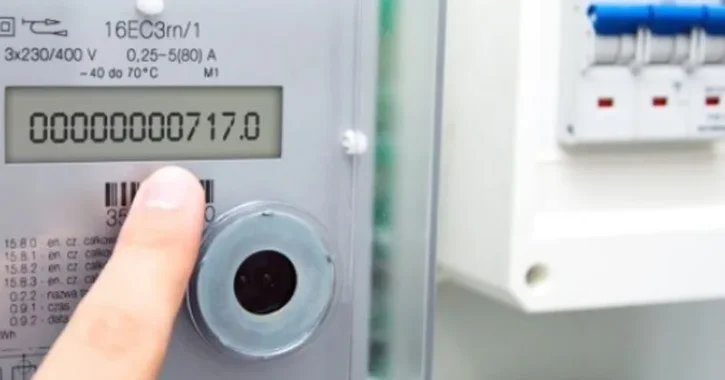
A clamp meter on suspect circuits or a whole-home monitor reveals whether an old fridge or window AC is the real culprit. Replacing a dying compressor appliance sometimes beats years of incremental habit changes.
When habits and LED swaps still leave breakers tripping, the panel not your diligence is the bottleneck. That is when professional circuit mapping beats another power strip.
Get an Electrical Audit
STS Electric identifies phantom loads, maps high-use circuits, and recommends LED retrofits, dedicated lines, and panel upgrades that lower bills without compromising GFCI or grounding. Safety fixes come before cosmetic efficiency projects.
Schedule a licensed residential electrician in Chicago and Cook County at (773) 721-1111, we help homeowners save power without unsafe DIY shortcuts.




